
If you‘re thinking about moving to the UAE for work, there are a few things you need to know.
To break it down for you, here are seven things (‘T’s) you need to know before making the move as a lawyer:
1. Tax

When you work in the UAE, you do not pay tax—unless you have your own business. As of June 1, 2023, companies now pay corporate tax of 9% for taxable income above 375,000 AED. However, there is still no tax on personal income. So, if you are coming to work in the UAE, you’ll still enjoy paying absolutely no income tax.
Even if you move here on the same salary as you were back home, you will enjoy a significant rise in take-home pay, especially if you are from high tax countries such as the UK or mainland Europe.
However, there is a slight catch. Once you get used to not paying income tax, it is very difficult to want to start paying it again. In other words, it is likely that once you come to the UAE you might not be able to leave as you will likely be taking a massive cut in take-home pay if you move back.
Also, it is worth bearing in mind that while you may not be officially paying income tax, there are plenty of hidden costs of living in the UAE which are arguably quasi-taxes. These include traffic fines, especially when you are a new driver unaccustomed to the rules.
2. Travel
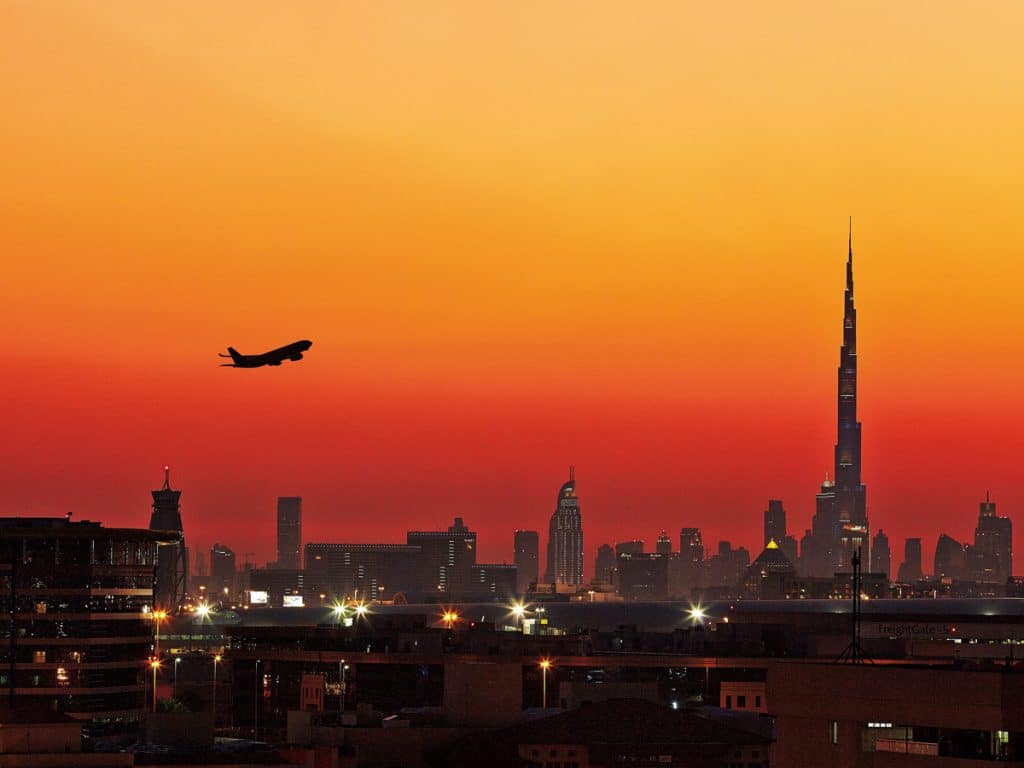
One of the main reasons I moved to the UAE was to explore the surrounding countries in the Arabian Peninsula, Asia, and Africa.
Travellers in Europe will know how cheap it is to fly around the continent on EasyJet and Ryanair, often for the same price as (or even cheaper than) a domestic train ticket. The UAE’s answer to budget air travel is Wizz Air in Abu Dhabi and FlyDubai in Dubai.
You can get Wizz Air flights from Abu Dhabi’s new Zayed International Airport, which was featured in the opening scene of the latest Mission Impossible, for next to nothing. Wizz Air has a range of interesting and exotic destinations including Uzbekistan, Armenia, and the Maldives, to name a few. If you live in Dubai, all you need to do is hop on the airport bus from Ibn Battuta bus stop in Dubai and pay AED 35 for the one-hour bus ride straight to Abu Dhabi airport.
If you are willing to spend a little bit more on your flights, Dubai International Airport is one of the world’s busiest and best-connected airports. There is hardly anywhere in the world you cannot get to from DXB.
It is all well and good if flights are cheap but you also need time off work to actually travel. Apart from your annual leave, moving to the UAE will mean you will enjoy heaps of public holidays scattered throughout the calendar. Many expats use these public holidays to plan long weekends and mini adventures. As an example, there were 14 public holidays in the UAE in 2023.
3. Traffic
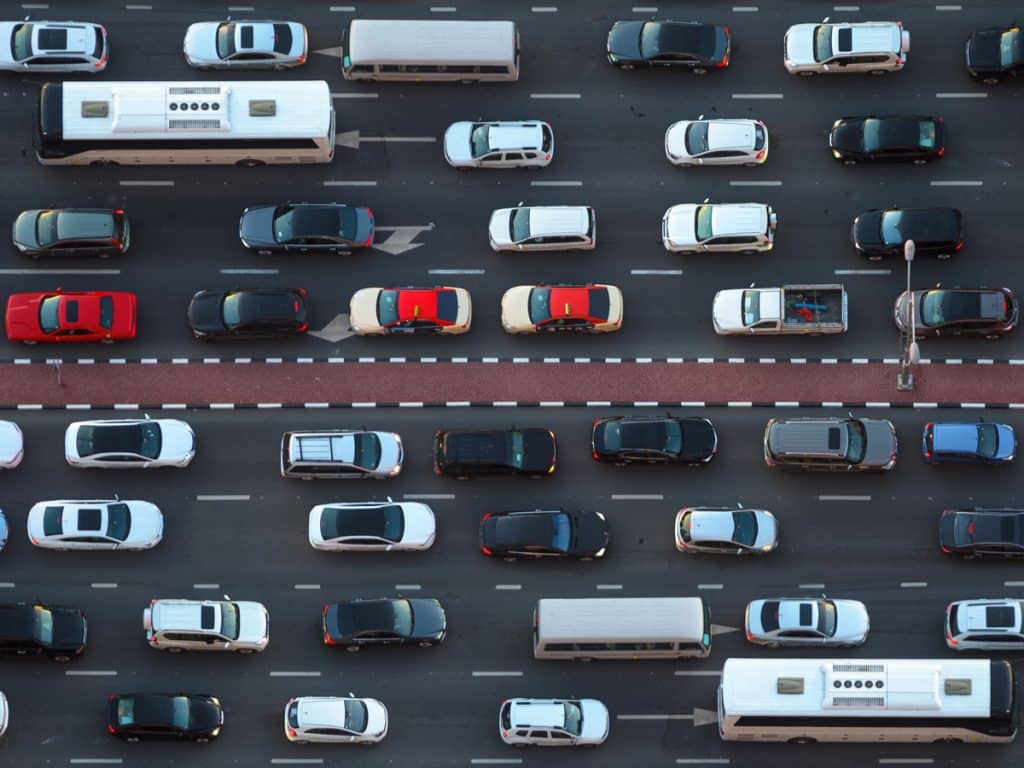
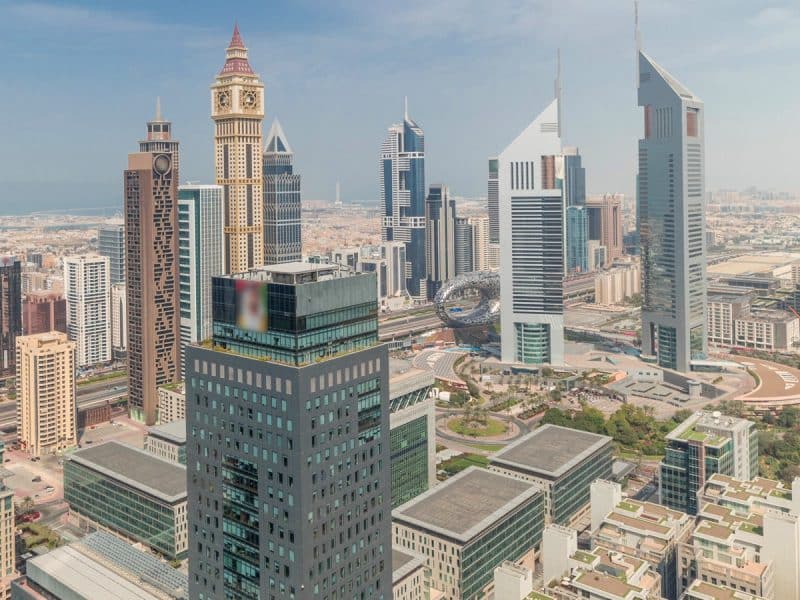
Dubai is famous for its luxury cars. In areas such as Downtown Dubai, Dubai International Financial Centre (DIFC), and the Palm Jumeirah, it would be unusual not to see a mix of Bentleys, Lamborghinis, and Ferraris parked, or more likely, stuck in traffic.
One element of driving which is almost impossible to avoid is getting fined—especially, if you are a new driver in Dubai. For example, if you change lanes without indicating, you are liable for a AED 400 fine. Crossing a red light is also not a good idea because you will have to pay AED 50,000.
Although public transport such as the Dubai Metro is available, if you really want to experience Dubai fully, you will need a car. There are still many places in Dubai which are not accessible by public transport. Just beware of the traffic during peak hours and the fines!
4. Tan
If you are planning to move to Dubai, you will already know that it is sunny almost all day, every day, all year around. However, you might not know that when it rains, it pours—as the UAE uses cloud seeding to manufacture rain. While in theory it sounds good to have some rain now and then, the roads get flooded and cars even get washed away or destroyed by the flooding. In reality, rain is just a footnote in the UAE’s sunny weather. You can count the number of rainy days in the year on one hand.
If there is anything you need to worry about, it is not the rain—it is the heat. When I first arrived, I was told that it is so hot during the summer that you cannot even walk around at night, let alone during the day. I thought this was an exaggeration at the time but, as the summer months arrived, I soon realised it was not.
From June through to September, life in Dubai is indoors and air-conditioned, or spent abroad in cooler climates, as many do. This means that Dubai can seem a little quieter and the roads a little emptier during the peak summer months. Despite this, Dubai Mall and other hotspots are packed with tourists from all over the world even during the hottest points of the year.
5. Tradition

Dubai is arguably less traditional than many places in the Middle East. After all, Emiratis account for around 10% of the UAE’s population. Despite the diversity of Dubai and the openness to expats, there are still cultural norms and rules which need to be adhered to.
In Muslim countries, offering to shake a Muslim woman’s hand should be avoided. While Muslim women may shake hands with men, it is up to the woman to decide to offer the handshake. This rule should be adhered to when interacting with Emirati women and other Muslim women who are visibly Muslim, e.g. who wear a headscarf.
Further, while it is permitted to drink in licensed restaurants, hotels and bars, it is punishable to drink in public places. Dubai is strict about public drunkenness and places where alcohol is sold and consumed usually have blacked out windows so that they can’t be viewed from the outside.
In addition, swearing or using explicit language is prohibited in the UAE and using specific words carry a punishment of up to a year in prison and fines as high as AED 10,000.
So, if you want to stick around in Dubai, make sure you abide by the laws of the land.
6. Taste
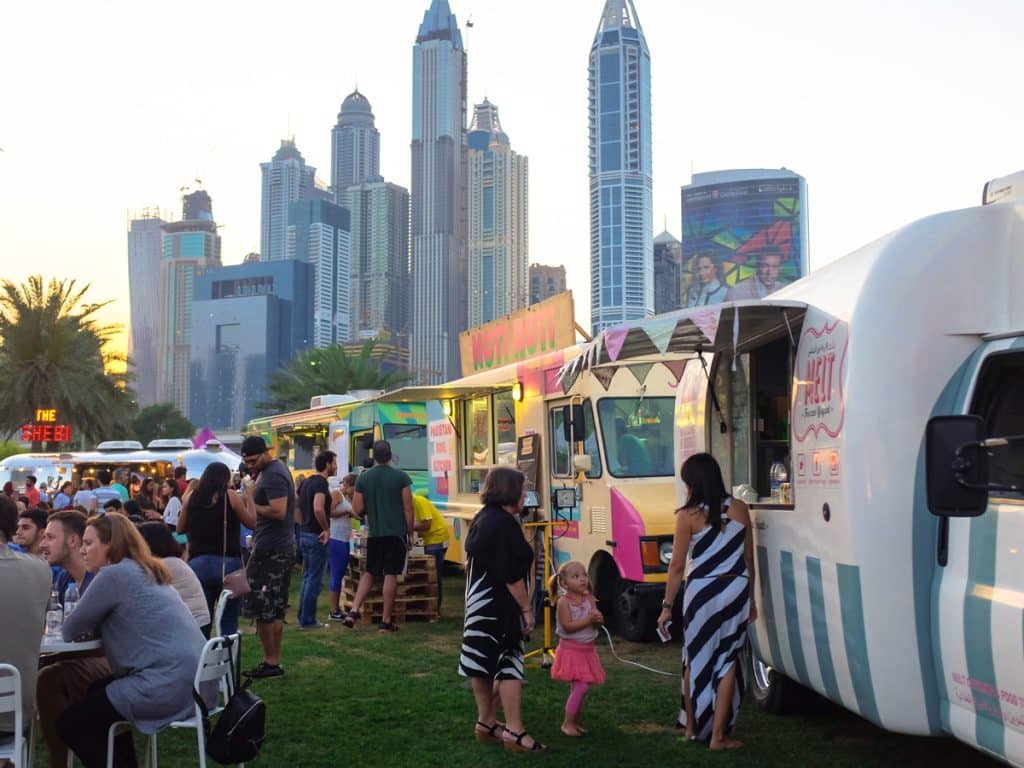
When it comes to food, there is nothing you cannot get in the UAE. Dinner in Dubai can cost as little as AED 20 to AED 2,000 (or more). You can find authentic hole-in-the-wall Middle Eastern and South Asian restaurants in the older areas such as Barsha, Deira, Karama, and Satwa. On the other hand, if you want to try the fanciest restaurants in DIFC without breaking the bank, there are plenty of brilliant business lunches to tick off. Most of these restaurants offer a two or three-course lunch for around 110 to 150 AED per person.
On the weekends, brunches are popular among expats and include a wide range of food and drinks in most of the expat hotspots such as Dubai Marina.
7. Technology
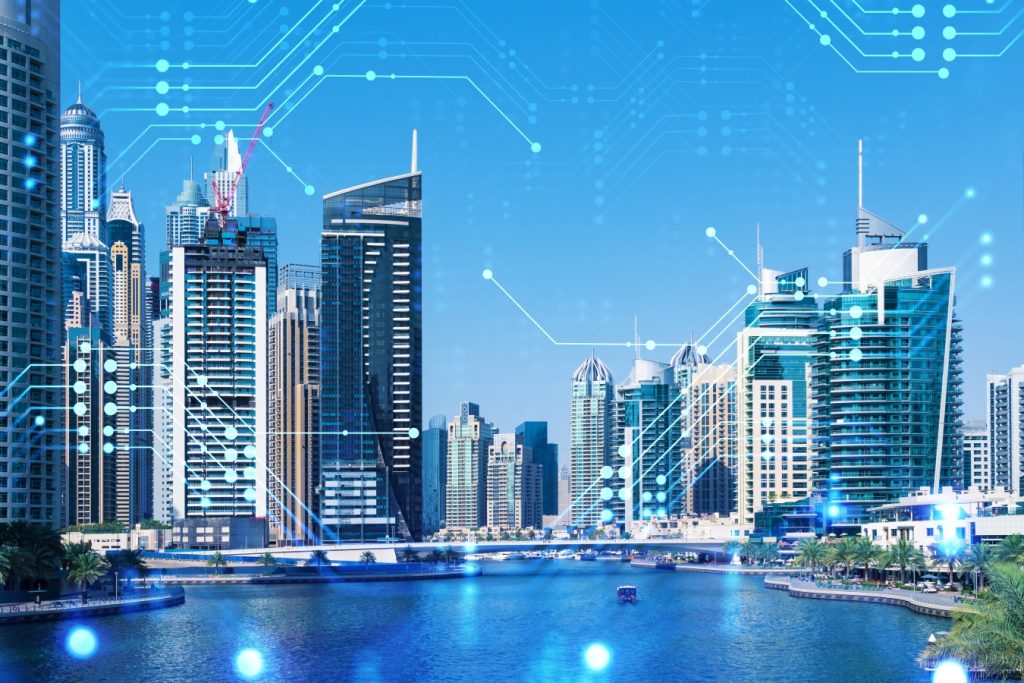
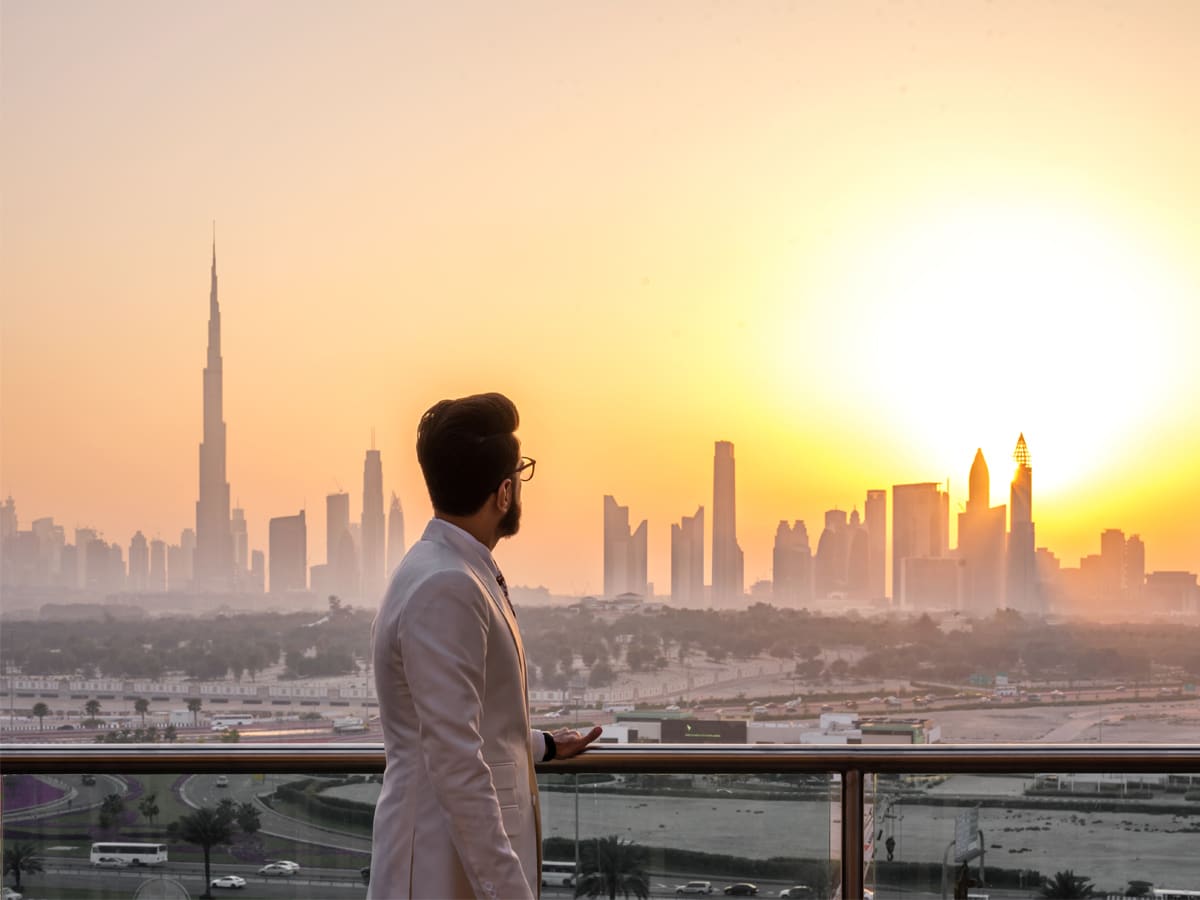
Although in the 1970s Dubai was hardly more than a desert, it is now the high-tech capital of the Middle East.
Convenience is king in Dubai as you can pretty much order anything from the tap of a smartphone. For food, the main delivery services are Careem and Talabat. If you need a cleaner or laundry done, you can download apps such as Justlife. You can even order fuel to your doorstep with CAFU, whose trucks deliver fuel to you any time of the day for the same price as the petrol stations. Also, if your car needs a trip to the mechanic, you can book a chauffeur to drive your car (with or without you) on the Zofeur app. Quoting the famous line from the Apple advert from 2009, “There’s an app for that”, in Dubai, there truly is.
By Inshaal Ahmad is an associate based in Dubai. He moved to the UAE from the UK in February 2022.