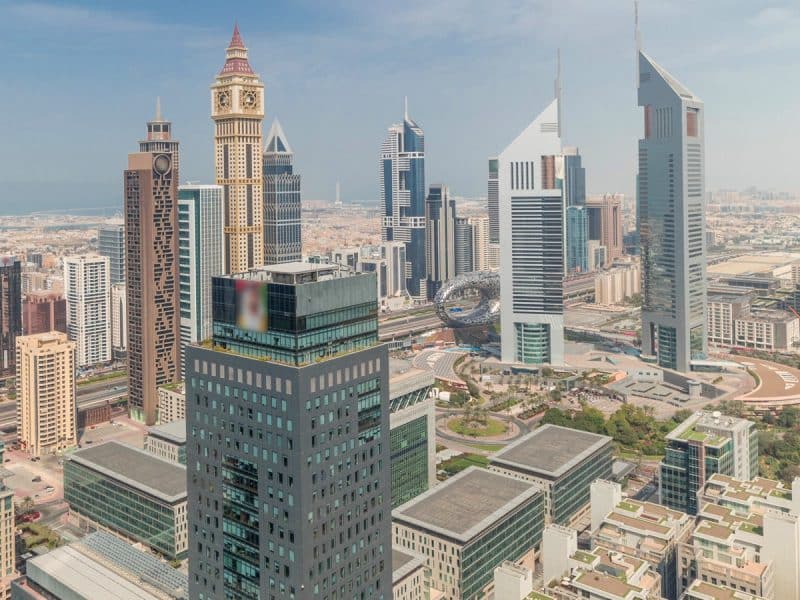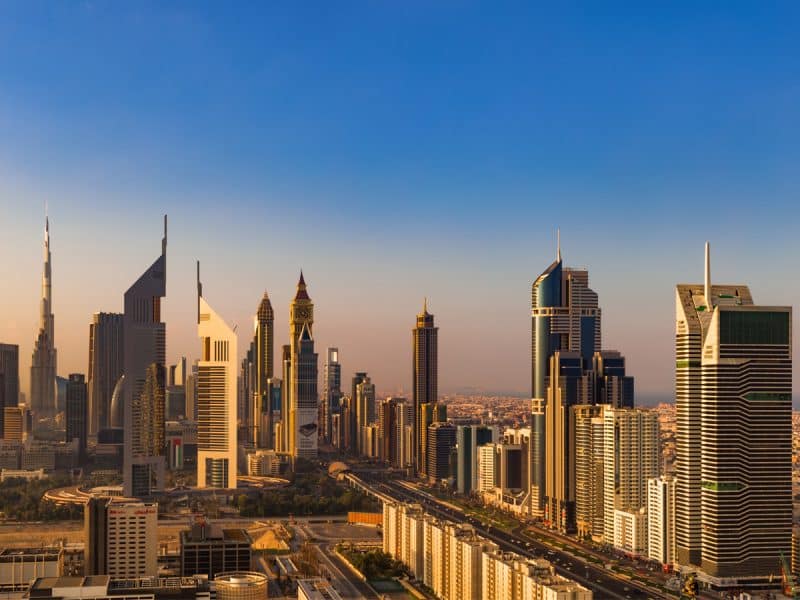


In the last 53 years, the UAE has developed into a hub for international business with exceptional services and infrastructure for business.
Often referred to as a ‘petrostate’, much of the funding for development has traditionally been from the fossil fuel sector. According to current International Energy Agency predictions, with the rise of clean energy, the demand for fossil fuels is likely to peak in 2030 which will impact nations who remain reliant on this revenue.
UAE leadership has been taking progressive steps to diversify the UAE economy for many years by developing as an international business and finance hub. The announcement of the introduction of a corporate tax on January 31, 2022 represents another important step in building a dynamic and resilient UAE economy that can thrive in a changing economic global context. As the International Monetary Fund has stated: “Taxation plays an important role in promoting economic growth: it generates the revenue needed to finance governments’ economic development policies and creates a framework for development of private sector activities.”
The institution of a corporate tax also reflects a commitment to the Organisation for Economic Co-operation and Development (OECD)’s minimum tax standards, as well as to the international standards for financial transparency, which has been recently recognised by the UAE’s removal from the Financial Action Task Force (FATF) grey list. These developments reflect the UAE’s aim to be an attractive destination for foreign investment.
The open question is whether the UAE corporate tax is going to strike the right balance between securing resources for continued national economic development while balancing the need to remain an attractive jurisdiction for business.
The UAE corporate tax regime was implemented starting on or after June 1, 2023. Businesses following the calendar year as their financial year will be paying their 2024 corporate tax by September 2025. The tax applies to all persons (individual and corporate) conducting business activities and having permanent establishments under a commercial business license in the UAE, both in mainland and free zone locations. There are some excluded activities under Article 2(a) of the Ministerial Decision No. 139 for free zone companies, and resource extraction activities remain under the existing regime. The corporate tax is a progressive tax, with 0% for taxable income under AED 375,000, and 9% for taxable income exceeding AED 375,000, which is one of the lowest corporate tax rates worldwide.
Aside from the tax rate, ensuring the administrative burden imposed by tax compliance is not overly onerous also plays an important part in maintaining international competitiveness.
The launch of the EmaraTax digital tax services platform serves to facilitate all procedures for registration, filing, payment, and refunds. The Muwafaq package aids small and medium-sized enterprises (SMEs) in the UAE with training, software, and support for SME compliance. As Scott Cairns, managing director of Creation Business Consultants, a corporate services company in Dubai, has observed in practice this digitised system has “reduced compliance burdens for businesses, and ensured a user-friendly experience”. The benefit of creating a tax system de novo in the digital age is there are no bulky paper-based administration systems to retrofit as in other jurisdictions.
In the business world, the implementation of tax is rarely received with exclamations of joy. With a competitive tax rate, digitisation, and additional efforts to assist SMEs, current indications suggest that UAE corporate tax is striking a good balance between ensuring a stable national environment for economic growth and creating an attractive destination for both entrepreneurs and existing commercial enterprises. One may not cherish paying taxes, but businesses in the UAE can continue to enjoy operating in a jurisdiction with exceptional opportunities for growth supported by a sustainable infrastructure that is the envy of many nations around the world.
By Dr Tracie Lea Scott, assistant professor at Heriot-Watt University, Dubai.