

The start of a new quarter is a useful time to take stock of progress and plan for the months ahead.
In this feature, to be published quarterly, we speak to managing partners at local, regional, and international law firms to track what they have been thinking about this past quarter and what they envision for the next.
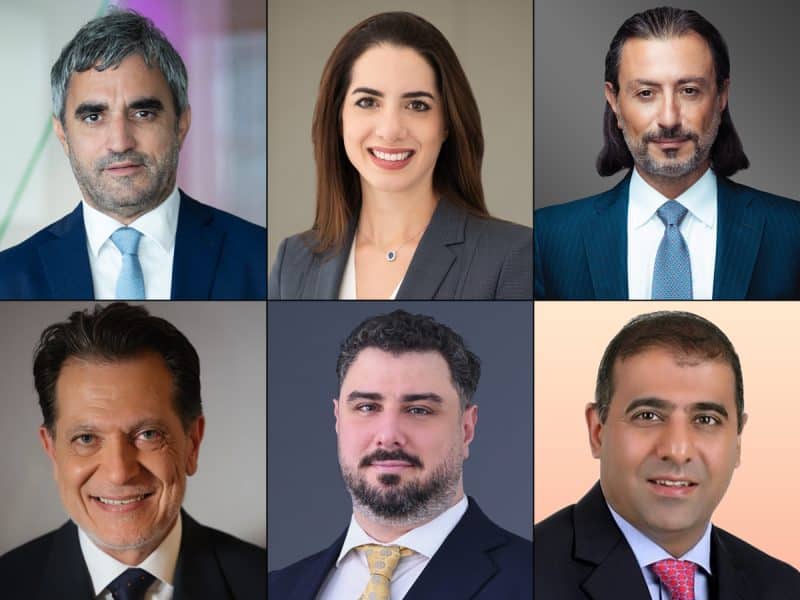
Below seven law firm leaders in Dubai share their thoughts on everything from hiring and growing out their regional offices and practices to mental health and lawyer wellbeing—some interesting soundbites on the direction they want their office to take.
Jody Waugh, managing partner at Al Tamimi & Company, Dubai:
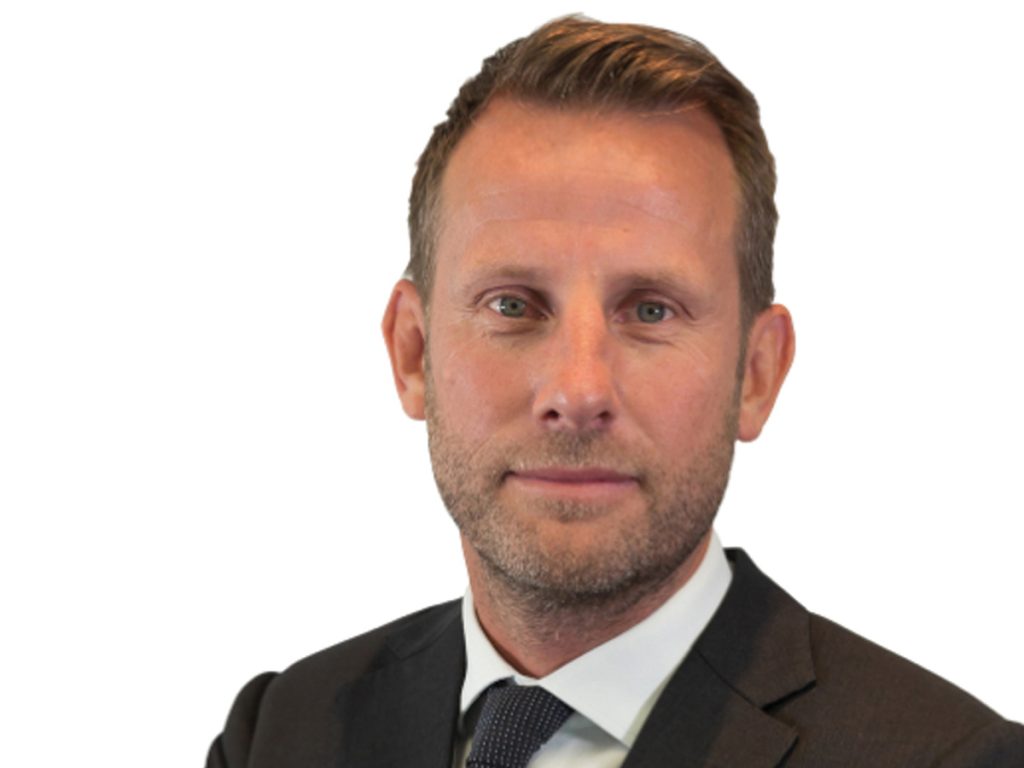
“In 2024, we anticipate more legislative reform across the Middle East and North Africa, and against this backdrop our role in providing clients with the most accurate and highest quality legal advice will be more important than ever.
“Over the next 12 months, we are prioritising selective investments in areas that matter, such as expanding our existing high-growth practice areas, adding new practice areas to our client offering, developing our in-house training academy, and introducing new technologies to make the way we work more efficient. By doing so, we are confident we can continue to deliver the best outcomes for our clients while positioning ourselves for long-term success.”
Michael Kortbawi, senior partner and co-founder of BSA Ahmad Bin Hezeem & Associates, Dubai:
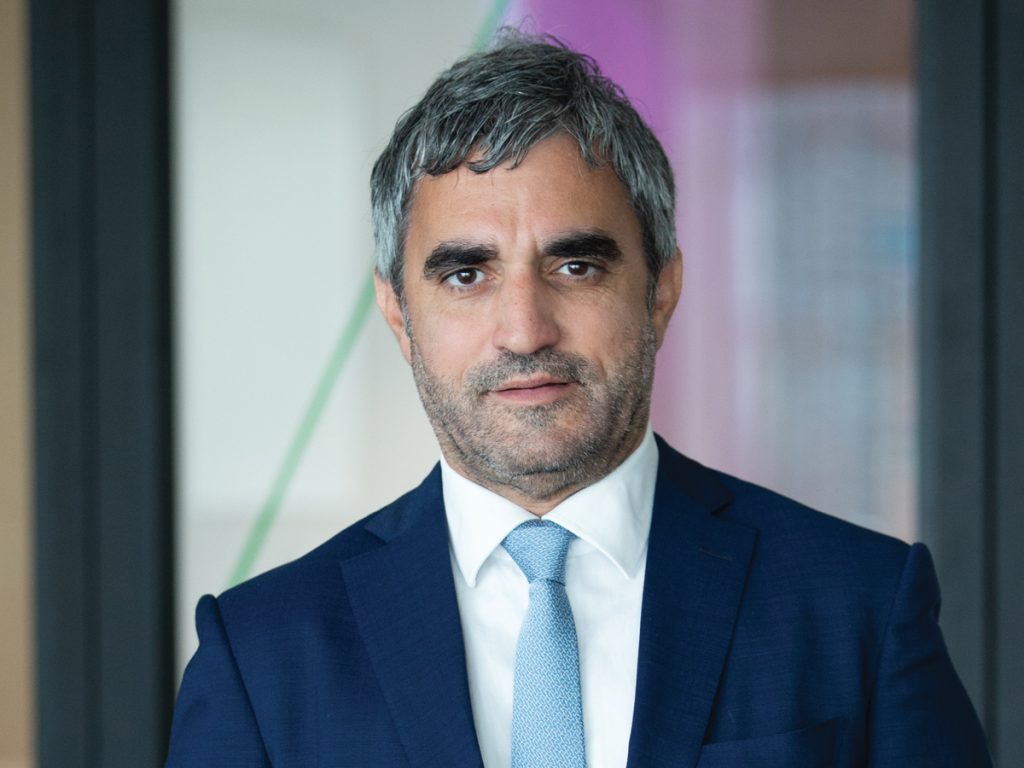
“As a regional law firm, we were directly impacted by disturbances in the region that spilled into the GCC, affecting M&A deals in Q4 of 2023. Most deals were put on hold due to buyers’ fear and sellers’ haste. Fortunately, in Q1 of 2024, the situation improved, and the market regained confidence, motivating us to expand operations, especially in KSA. KSA represents our second-largest market in the region after our UAE headquarters, in terms of headcount and turnover. Currently, our priority is finding local Saudi talent for our Saudi office as we anticipate a threefold increase in turnover and the number of lawyers by Q4 of 2025.”
Rania Tadros, office managing partner at Stephenson Harwood, Dubai:
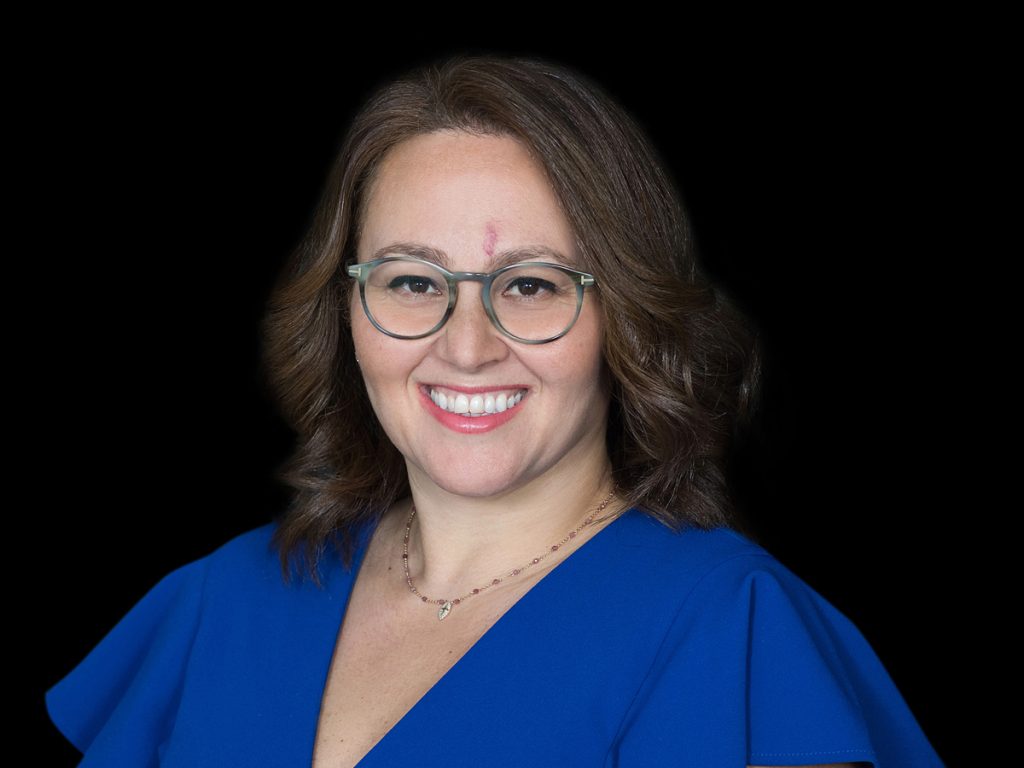
“The short answer is striking the right balance.
“As a leader within an international law firm like Stephenson Harwood, I try to strike the balance between maintaining what we have and ensuring the continued growth and development of our business. The ultimate aim is to ensure that we are able to capitalise on new opportunities arising in the market and adopt appropriate technological solutions while making sure that we are able to continue to deliver excellent client service across all of our practice groups at profitable levels. With change there is even more of a need to safeguard the core values that we hold. As a leader, I feel the responsibility of being entrusted with creating a working environment where being an excellent lawyer, delivering first class legal services efficiently is achieved in a happy and secure environment for all.”
David Moore, managing partner UAE at CMS, Dubai:
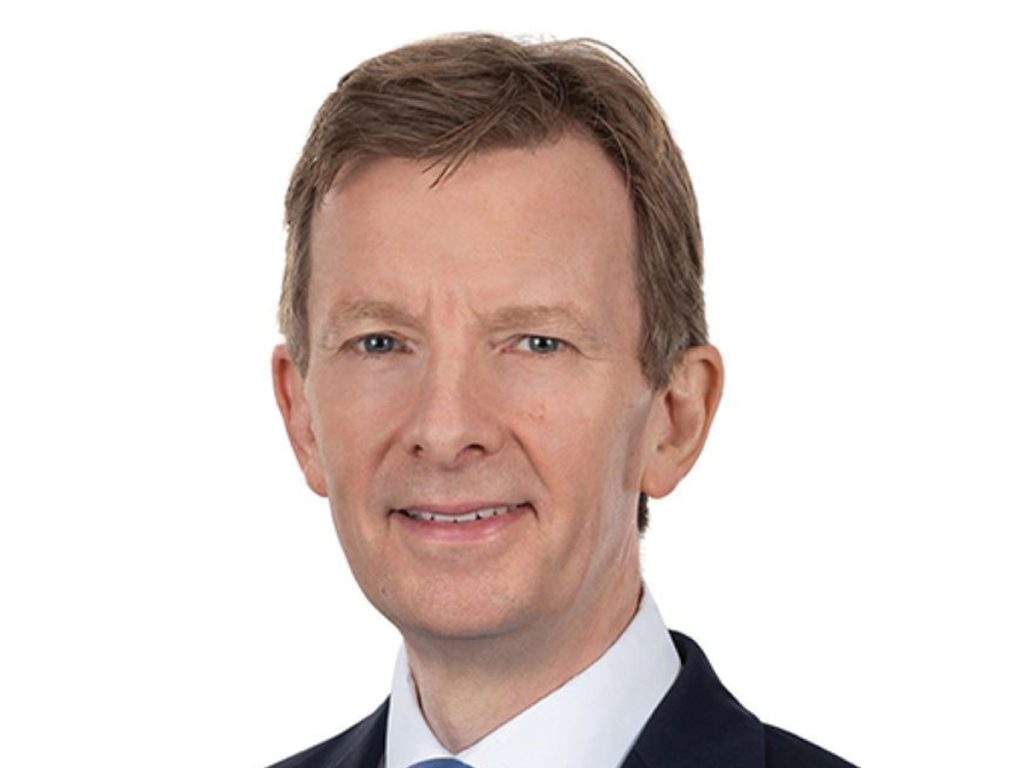
“CMS is well-established in many markets and it is dynamic markets such as the Middle East which are going to provide us with growth. We have gripped this opportunity by establishing and growing a new office in KSA, opening in Abu Dhabi, growing in Dubai, and consolidating in Oman and Turkey. Our minds are also focused on the intersection of law and technology. Innovation is embedded in our DNA and evidenced in our commitment to market-leading AI technology. We embrace change and believe in the symbiosis of ‘Human + Machine’; using AI to enhance productivity without replacing legal expertise.”
Mohammed Paracha, head of Middle East at Norton Rose Fulbright, Dubai:
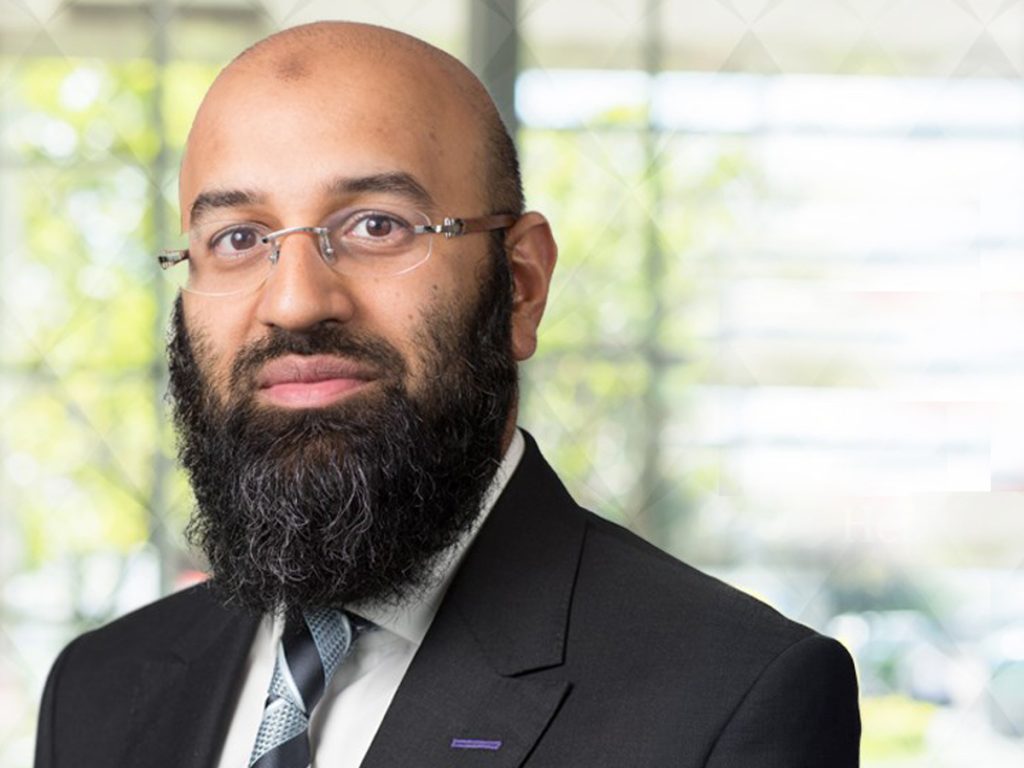
“The past few months have been incredibly busy! Not only has there been a recent spate of legislative developments, but also the new licensing system in Saudi Arabia. That has meant a lot of changes for us, but mostly good ones. It forced us to really think about our strategy there, which led to us expanding our team.
“Overall, I think we’re in a great place right now. Fortunately, the Middle East is still attracting a lot of international investment, so there’s no shortage of demand. We’ve doubled in size in the Middle East over the past three years, so we’re pretty happy about that. It does mean we’re always on the lookout for top legal talent.
“Moving forward, we want to continue focusing on our core strengths—sovereign wealth funds and government advisory, energy, infrastructure, financial institutions, transport, and technology—and making the most of our regional teams and global network. Given the high demand, we can definitely afford to emphasise quality over quantity so that’s what we’re doing.”
Stuart Paterson, Middle East managing partner at Herbert Smith Freehills, Dubai:
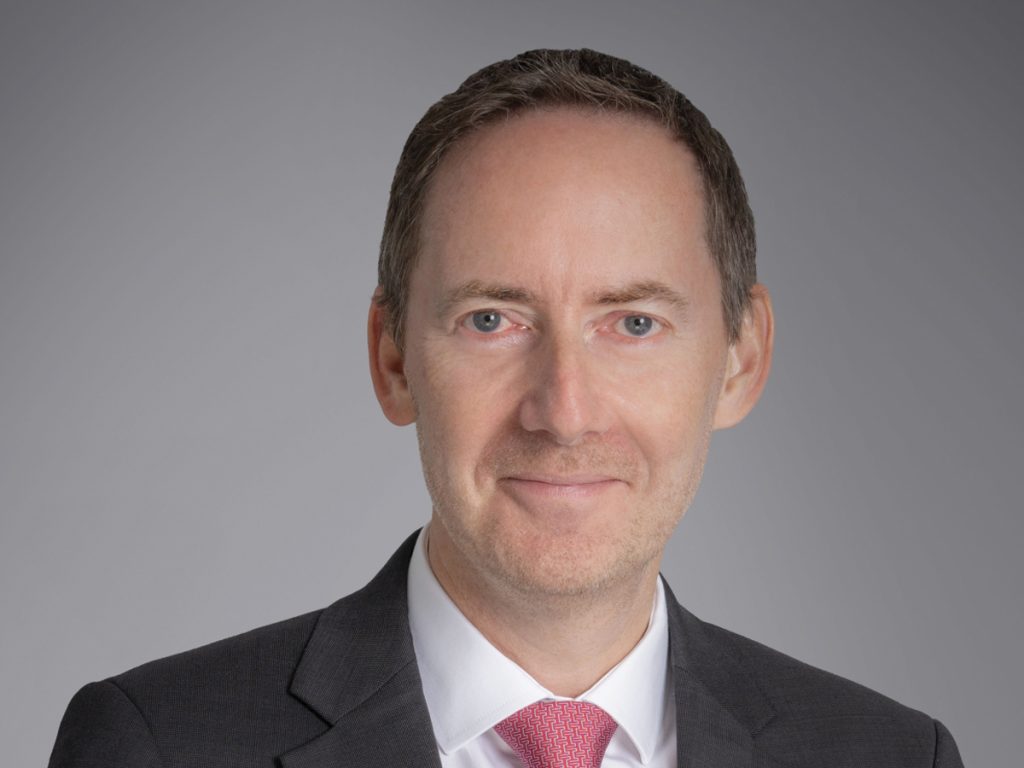
Last quarter
“COP and energy transition: it was fantastic to see Dubai host COP28 in December. This was a real driver for reinforcing the importance of tackling climate change in the region as well as a major opportunity for us as a firm, both globally and in the region to highlight our credentials as a market leader for our capability in the energy sector and, specifically, for our energy transition expertise. We are now focusing on the momentum with clients and other stakeholders that was generated in and around the conference.
“Mental health and resilience: this has been an increasingly important issue for the legal sector—our teams are busy and the demands on our people are high. We are facing a period of unprecedented change as we adapt to a post-Covid 19 world with new patterns of working and the rapid changes facing our sector from developments in AI and other advanced technology. We have invested in awareness across the firm in mental health and wellbeing to enable our people and people managers to take steps to navigate these demands and in doing so care for their own mental health and resilience as well as that of their teams.”
Next quarter
“Recruitment: we are continuing to grow the regional business to meet client demand. Recruiting and developing lawyers for our business in Riyadh and Dubai, in particular for transactional and projects work, is a key priority and challenge over the next quarter.”
Nabil Issa, Middle East managing partner at King & Spalding, Dubai:
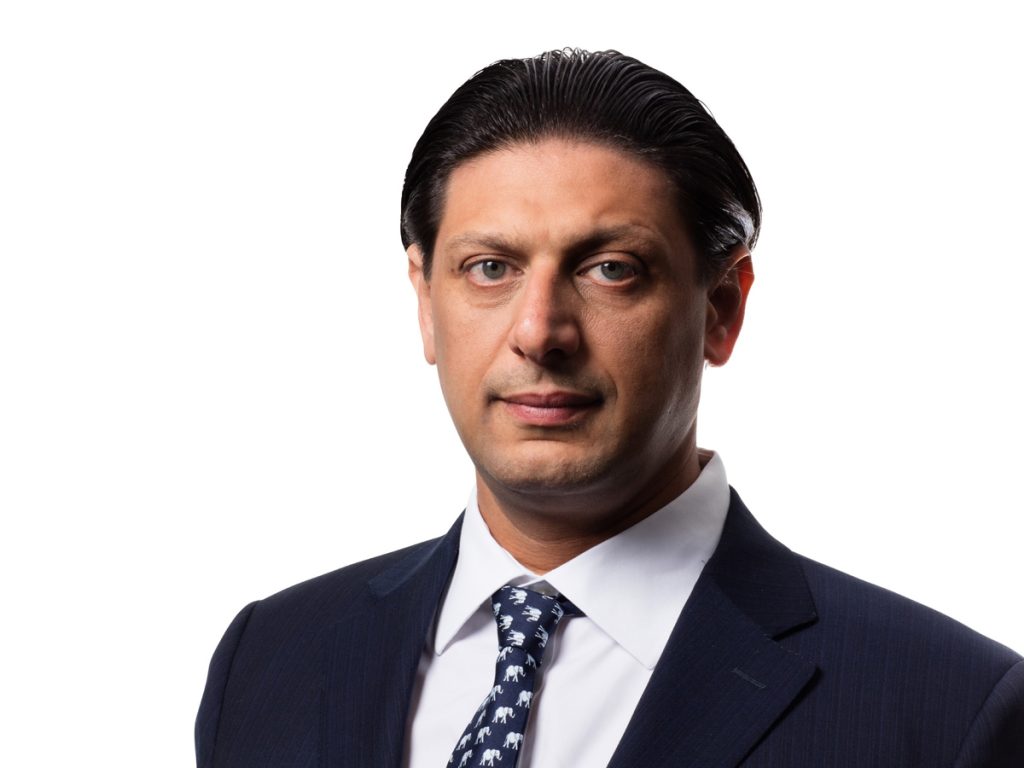
“Abu Dhabi and Saudi Arabia: As the size and prominence of projects grow in those two markets, there is a demand to move our most talented lawyers to those markets to make them more accessible to some of the largest projects in the world. Ensuring the right skills in those markets is often a mix of both lawyers who are technically the best in a given sector, but also a deep understanding of local regulations and practices. Moreover, the market in Saudi Arabia has evolved and expect to see more Saudi national lawyers taking active and leading roles in their matters. Thus, we are focused on looking at the lateral market as well as bringing in Saudi lawyers into our international offices for further training prior to relocating to Riyadh.
Creating a culture where lawyers are ready to pivot and innovate: Attempting to guess exact areas of law that will be in demand is often times more art than science, so it is critical that lawyers can pivot into closely related areas depending on market demand and work with our subject matter experts around the globe to serve those clients. When we started seeing some of our clients in Saudi Arabia experiencing financial distress, our finance lawyers dug into the Saudi Financial Restructuring laws and worked with our bankruptcy experts, explored benefits of using Shariah-compliant instruments, etc. so that we could serve those clients. The efforts resulted in multiple deals of the year in that sector and multiple jobs were saved from companies that would otherwise have been liquidated. Our energy/projects lawyers also pivoted and were able to take their core skill-sets to lead on new areas such as hydrogen and nuclear.”