

Kirkland & Ellis is making a strong play in the Middle East, having opened an office and regional headquarters in Riyadh in October 2023.
Since then the on-the-ground team has grown to over 20 legal professionals, with core specialisms including corporate, capital markets, projects, and restructuring.
This week it was reported the firm has strengthened its capital solutions and financial restructuring practice in Riyadh with the relocation of a lawyer from London.
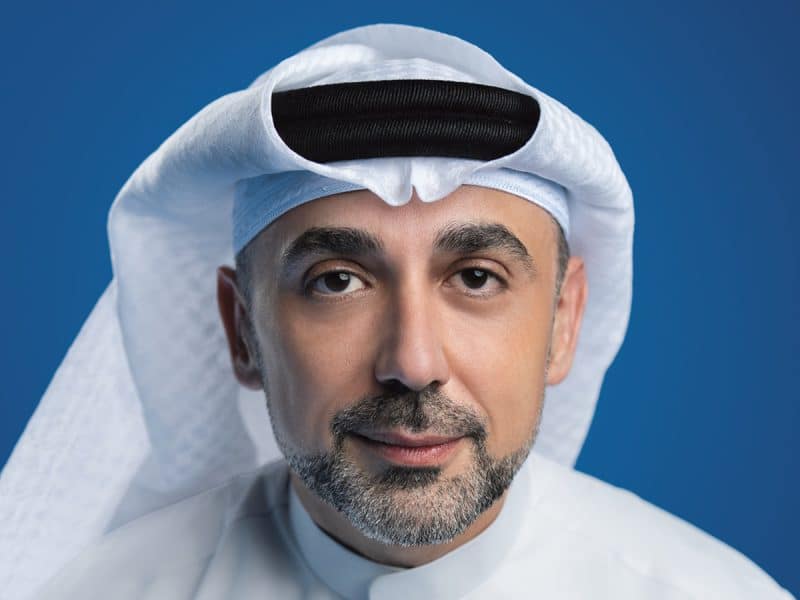
Husni Almousli, associate, recently moved across offices to lead the restructuring practice in Riyadh.
Here, he speaks to Law Middle East about his practice and shares advice for those looking to follow a similar path.
What do you enjoy most about your work?
I love the complexity and special dynamics of transactions. Let me explain this: no restructuring or special situation matter looks like another. Deals tend to be multi-faceted, involving a mix of legal, business, and financial elements. This in turn requires working on one’s negotiation and people skills as well as grappling with intricate problems.
What makes a good restructuring lawyer?
To be a good international special situations lawyer, you first need to be a good lawyer, but then the magic happens when fuelled by diverse interests and knowledge to be able to help bridge commercial and legal differences and get deals done.
Having various interests outside the strict borders of work including reading, hobbies, and sports can only add value personally and professionally.
The role of the human touch should never be underestimated. Every deal revolves around trying to align various interests to get the transaction across the line. Over and over I see how misreading parties’ positions or taking unreasonable positions (especially at the last minute pre-closing) can complicate processes and cause delays. On the other hand, it is always refreshing to see co-operative parties working together with best intentions in mind, despite their naturally competing interests.
Finally, a big part of our job is trying to save a business and ultimately the jobs they create. This is really a crucial part of our work as it puts ones’ hard work and long hours into perspective.
Overall, it is really an enjoyable, rewarding, and stimulating area of law.
What advice can you share with aspiring lawyers?
I strongly believe in trial and error. One should discover what fulfills one’s potential by trying to turn over every possible stone—and more. Everyone has their own formula for how they arrive, but in my experience, new lawyers can benefit from keeping an open mind to all practice areas and try to develop as many diverse skills as possible, while continually enriching their network. Contacts should not merely be viewed as potential clients or counterparties. We are much more than our jobs and people we come across have stories and experiences which we can relate to and enjoy connecting with. Working alongside or on the other side with people we have rapport with makes work more efficient and fun.
Apart from that, I think the most important tip I have is be kind. We are all working hard and under various pressures, but we are all humans. One day we will look back and ask ourselves what impact we left. I hope I will be able to find a lot of examples where I helped others and was kind to colleagues and counterparties.