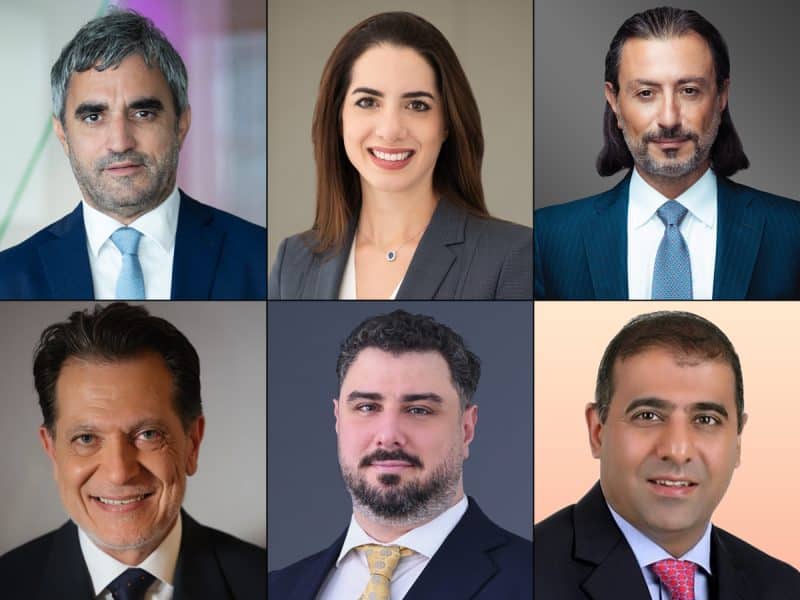


Dispute resolution can be a sensitive matter for businesses in the Middle East, and in many cases, a more confidential forum is preferred.
Alternative dispute resolution, otherwise known as ADR, has grown in popularity, and includes mediation and conciliation, with recent developments in the UAE and wider Middle East serving to promote these mechanisms.
Al Tamimi & Company has developed a practice for mediation, one of the region’s first, led by partner David Holloway and senior associate Christine Maksoud. It has also launched The Mediation Hub MENA, a non-profit organisation based in the Dubai International Financial Centre (DIFC), aimed at promoting a culture of mediation in the Middle East and North Africa (MENA) region.
Law Middle East caught up with them to find out more about the practice and its plans moving forward.
Why has the firm decided to develop a mediation practice in the Middle East?
David Holloway: There have been a number of developments across the region which demonstrate growing awareness and support for the practice of ADR at governmental and industry level. Our firm has been at the cutting-edge of these developments and the mediation practice reflects this. We have a remarkable and diverse group of lawyers practising across a range of jurisdictions and industry sectors. Many of our lawyers have experience and expertise in negotiation, mediation, and ADR. Our aim is to consolidate and nurture this skills base and grow the practice to give the best possible service to our client base and to the wider communities in which we work.
Christine Maksoud: The firm has decided to develop a mediation practice in the Middle East because of the increasing popularity of mediation in the region, the alignment of the initiative with the UAE recent legislative developments, such as the UAE Federal Mediation and Conciliation Law, which provided a supportive legal framework for mediation enhancing its attractiveness as a dispute resolution method and integrating it within the UAE legal system.
Additionally, the UAE has announced its intention to accede to the Singapore Convention on Mediation. This will further enhance the UAE’s commitment to mediation as an effective method of dispute resolution.
We also see clearly that negotiated settlement or out-of-court settlement can significantly enhance client satisfaction. These approaches allow to address the client’s needs and concerns, deliver faster and customised solutions, preserve relationships, reduce emotional toll, ensure confidentiality, save costs, and provide greater control over the resolution process and outcome.

How big is the team at present, and do you have plans to grow across practices/offices?
DH: I currently lead the mediation practice alongside Christine Maksoud, who has been the key player in establishing both the practice group within the firm and The Mediation Hub in the DIFC. The practice is composed of a team of accredited mediators within the firm, alongside a number of lawyers across our various offices and practice groups who have experience and expertise in ADR.
Given the increasing demand for mediation services and the strategic importance of this practice, there are plans to expand the team across various practices and offices to cater to the growing need for ADR mechanisms in the region. We are also offering our lawyers opportunities to access ongoing internal and external training in mediation-related skills.
In which sectors are you seeing the most demand to resolve disputes through mediation?
CM: The vast majority of cases in the various sectors are appropriate for mediation. Mediation should always be considered, but especially when the cost of the litigation will be disproportionate to the claim, the parties are deadlocked in settlement negotiations, the complexities of law, fact, or the relationship between the parties are likely to prolong proceedings, if the parties wish to settle their dispute in private and avoid disclosure, or who want to address issues that are not strictly legal, such as reputational, emotional, or commercial matters.
However, we find mediation to be particularly suitable for resolving disputes in the construction, technology, and family business sectors.
The UAE government last year introduced Federal Decree Law No. 40 of 2023 on Mediation in Civil and Commercial Disputes. Can you briefly explain its impact and why it is considered to be a significant legal development?
CM: The UAE Federal Mediation and Conciliation Law No. 40 of 2023 on mediation formalises mediation as a recognised method for dispute resolution in civil and commercial matters, providing clear guidelines and legal backing for the process.
While it does merge the previous mediation and conciliation laws, there continue to exist two parallel structures:
Under the court-annexed system, mandatory conciliation is a prerequisite for specific types of disputes before litigation can proceed.
As for mediation, it is a voluntary process that can be initiated either through contractual agreements or by court referral, subject to the parties’ mutual consent.
The competent court may refer a dispute to mediation at any stage of the legal proceedings. This can occur upon the court’s proposal with the consent of the parties, at the parties’ request, or to enforce the terms of a mediation agreement.
The introduction of the concept of “without prejudice communications” and enhanced confidentiality provisions in the new UAE Federal Mediation Law represents a significant legal development.
Although traditionally a common law concept, and only incorporated into the procedural laws of the DIFC and ADGM Courts, “without prejudice communications” have now been formally integrated into UAE law through Article 5 of the Mediation and Conciliation Law. This concept ensures that any statements or documents disclosed during mediation proceedings are confidential and cannot be used in court without the consent of the disclosing party, except in cases involving criminal acts. This incorporation aligns UAE’s mediation framework with international standards and reinforces the reliability and security of mediation as a dispute resolution mechanism.
Prior to the enactment of the UAE Federal Mediation and Conciliation Law, parties had to explicitly agree that their mediation would be confidential, and this agreement needed to be documented in writing. The new law now provides statutory confidentiality, automatically ensuring that all information and documents submitted during mediation are kept confidential.
What are the advantages of mediation in the Middle East as opposed to other methods of dispute resolution?
CM: Mediation can help parties avoid the cultural and legal barriers that may arise in litigation or arbitration, such as language differences, unfamiliar procedural rules, or lack of trust in the local courts or arbitrators.
It can also preserve or improve the business relationships between the parties, which is particularly important in the Middle East where personal and professional networks are highly valued and where future contracts and collaborations may depend on maintaining goodwill and reputation.
Mediation can offer flexibility and confidentiality to the parties, as they can design the process to suit their needs and preferences, and keep the outcomes private, unlike court proceedings which are public. This can help parties protect their sensitive information and avoid unwanted publicity or disclosure.
It can save time and money for the parties, as it involves fewer procedural and legal formalities, and reduces the need for expert witnesses and extensive documentation. It can also help parties reach an early settlement and avoid the escalation of the conflict and the costs of litigation or arbitration.
Mediation can enhance the enforceability of the settlement agreements, especially if the parties choose to accede to the Singapore Convention on Mediation, which provides a framework for the recognition and enforcement of mediated settlement agreements across borders.
Regardless of the formal process chosen by the parties to the dispute—be it litigation or arbitration—mediation remains a viable option if both parties and their advisers are willing. The decision to pursue mediation will depend on the specifics of the dispute, the strategies of the advisers, and the parties’ openness to the mediation process.
The Al Tamimi Academy recently launched a mediation advocacy course—who is this targeted at and do you think skills as such will become increasingly important in legal education and training?
DH: The mediation advocacy course was launched to provide our lawyers with the skills they need in representing clients in mediations and negotiations. These are different skills from those needed in representing clients in traditional litigation and arbitration and are often not taught in law schools or provided in professional training courses. We wished to provide a structured environment for our lawyers to develop and refine these skills. This kind of ongoing skills training is of increasing importance in legal practice and can be neglected amid the day-to-day pressures of lawyering.
CM: The mediation advocacy course was developed by Al Tamimi Academy (our in house knowledge and skills training department) in collaboration with the ADR Center, a leading European mediation and training institution. The course provides our lawyers with a thorough understanding of the mediation process and the role of the mediation advocate during the process, a collaborative mindset, and the ability to prioritise achieving mutually beneficial outcomes over winning legal arguments. The programme helps our lawyers develop advanced strategies and techniques which are invaluable in the practice of negotiation and ADR, ensuring they are fully prepared to achieve the best possible outcomes for our clients, advocate effectively for our clients’ interests, and secure favorable resolutions through mediation. These are highly important and transferrable skills which are of benefit to our lawyers generally.