

A top Saudi-based general counsel (GC) has called for a new legal practice course to bridge the gap between theory and practice among local graduates in the Gulf Cooperation Council (GCC) and wider Middle East.
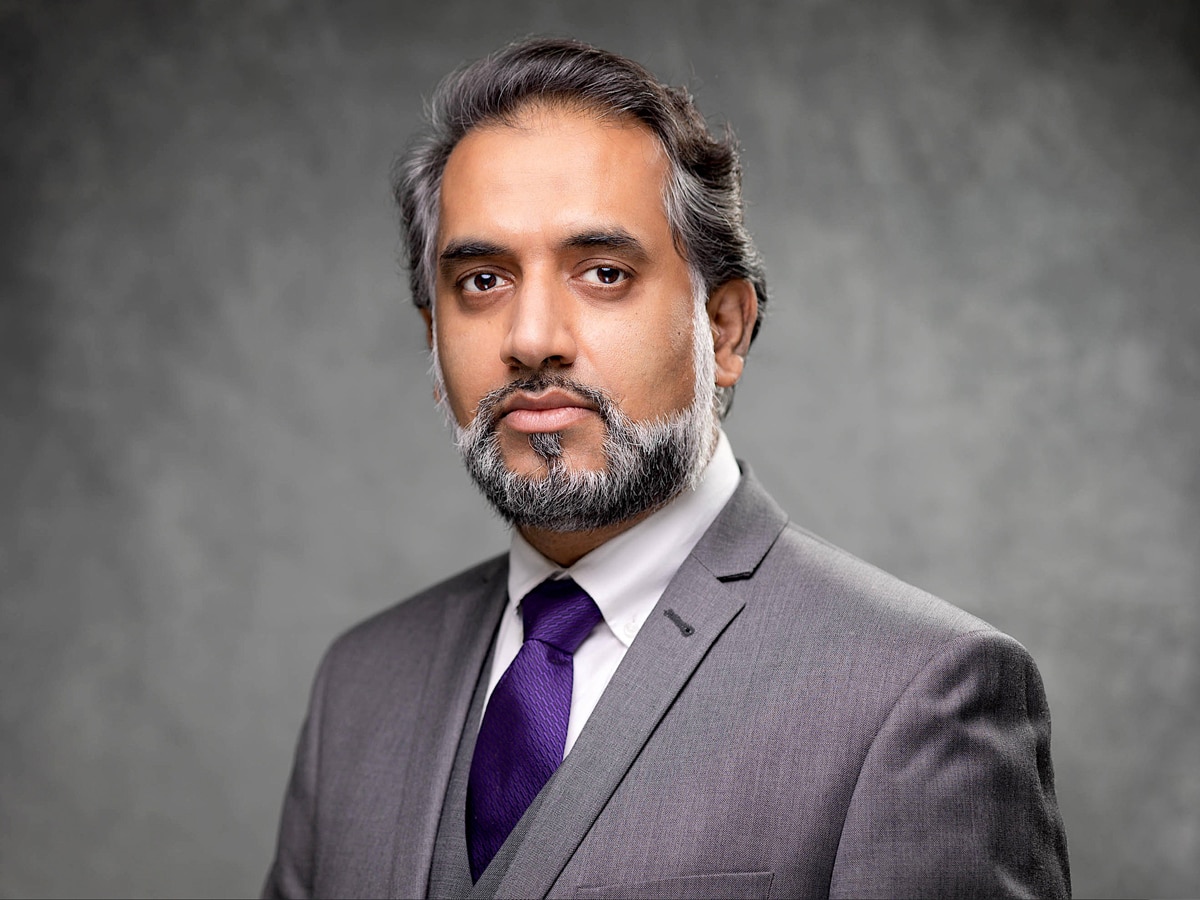
Mohammed Jamil, group general counsel at a Saudi Arabian multinational, shared his thoughts in an article published today by Law Middle East.
He explained the course would help to bridge the gap between legal theory and legal practice, equipping local graduates with skills like drafting, negotiation, and client communication, making them more employable in the legal market.
Additionally, it would contribute to the development of a strong legal talent pool, supporting the region’s economic diversification efforts, said Jamil, an England & Wales-qualfied solicitor who supports the company’s internal training efforts.
In Saudi Arabia, the GCC’s largest economy where Jamil is based, international law firms and in-house legal teams rely heavily on foreign talent. The government’s national Saudization scheme now requires firms to hire Saudi nationals to a specific quota—around 70%—which presents challenges, he told Law Middle East, particularly when there are graduates coming through the ranks from local universities but no established training providers on the ground to offer practical legal skills training with an eye to the nuances in the region.
In Saudi Arabia aspiring lawyers must complete an undergraduate degree followed by two years of training with a qualified lawyer, in addition to 100 hours of training by the Judicial Training Center under the Ministry of Justice after which they must pass an exam. There is no formal training course similar to what was the Legal Practice Course (LPC) and now Solicitors Qualifying Examination (SQE) in the UK.
Some law firms and large in-house legal teams have developed training academies internally, he noted, adding the majority would prefer to have this delivered externally.
Global legal education providers could initially partner with local universities to offer the course, he suggested, and graduates could secure funding privately, through law firms, or education trusts and charities.
He went on to say that demand for quality legal training will only increase as the Kingdom looks to significant events including Expo 2030 and the 2034 World Cup.
Read Mohammed Jamil’s article.