

During this five-year period, law firms in Saudi Arabia will need to be more global and provide further access to specific expertise, while being more local by demonstrating a deep understanding of Saudi law, regulation, and culture.
The number and size of the projects are breathtaking, but the most successful law firms need to develop work product that is not simply cut and paste from other jurisdictions. The best law firms will provide access to the leading experts in a subject area but have a team that implements based on Saudi law and cultural norms.
After Saudi Arabia fairly recently implemented a new Bankruptcy Law, some of the most successful restructurings in the Kingdom use a Sukuk Mudaraba reflecting a cultural desire to completely repay creditors without the significant haircut seen in other jurisdictions. We expect the ‘Saudi model’ for bankruptcy will be adopted and used elsewhere in the region. In fact, some of the projects are the first of their kind globally and will need to become the blueprint for future projects in other jurisdictions. A great example of this is the world’s largest green hydrogen project at a cost of $8.4 billion being developed by NEOM, ACWA Power, and Air Products. This is now the blueprint for other large-scale hydrogen projects globally. Our lawyers who took leading roles in that matter are spending time advising on similar projects globally as the rest of the world seeks to understand the Saudi model.
Law firm leaders are excited about the potential of the Saudi Arabian market. We grew our Riyadh office organically by moving partners from other offices and training Saudi nationals in our New York, London, Dubai, Geneva, and Washington, DC offices prior to them relocating to Riyadh. We also decided the best way for us to grow is to identify and merge with a leading Saudi Arabian law firm that has deep regulatory, disputes, equity capital markets and other capabilities to complement our various practices in the Kingdom.
Not all of the joint ventures and mega-projects will be successful and clients need disputes lawyers who can effectively advocate for them in Saudi Arabia. We believe our recent merger with the Law Office of Abdulaziz Al Fahad & Partners will continue to provide access to our global experts, while deepening our understanding of Saudi law with the additional experience from seasoned Saudi litigators and other lawyers who can provide input on how the local courts and regulators will interpret clauses in those agreements. Such combination is critical to being able to truly innovate and create additional new ‘Saudi models’ of how to implement the proposed Vision 2030 projects and then take the learnings from some of these first-of-their-kind projects to other jurisdictions globally.
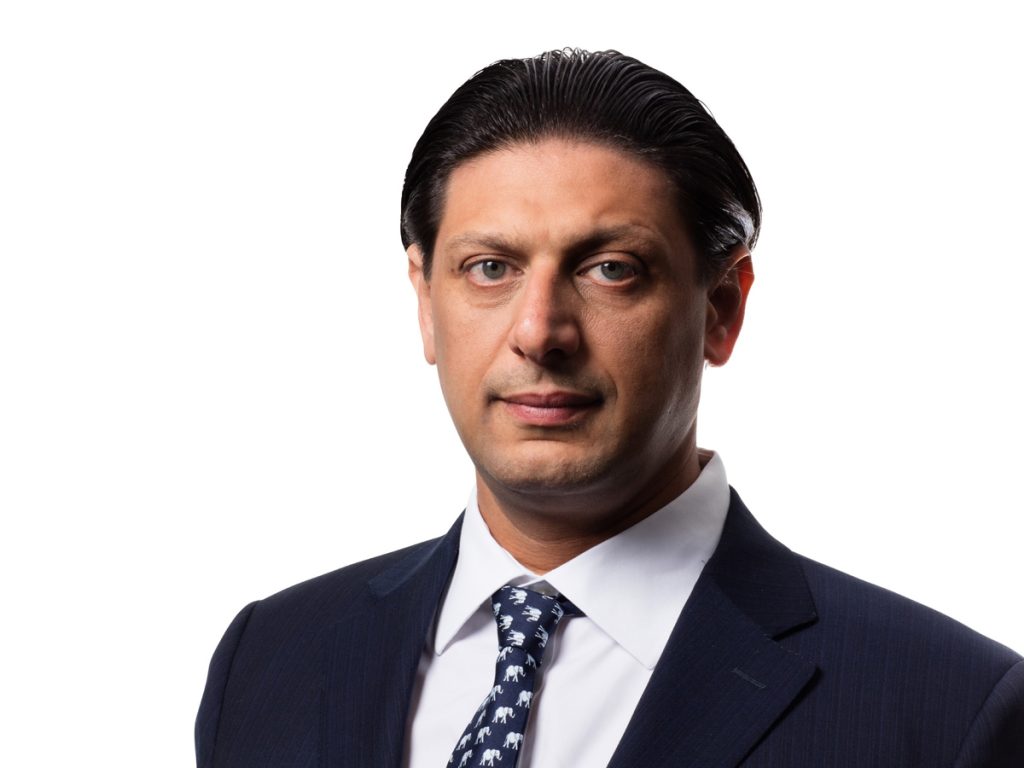
Nabil Issa is King & Spalding’s Middle East managing partner. This article was first published in the February 2025 inaugural print issue of Law Middle East.