
Sport is big business, and growing. The global sports market was valued at approximately $484.9 billion in 2023 and is projected to be worth $862.6 billion by 2033.
There are a number of well-established ways in which sport, and by extension, investment in sport, can contribute to a country or region’s economy. Depending on the type of sport and type of investment, sport can contribute to tourism, lead to the establishment or regeneration of areas and communities, create jobs, enhance infrastructure, increase recognition and exposure, and contribute positively to society by improving quality of life.
By way of example, the Dubai Sports Council announced in January 2024 that the sports sector contributes more than $2.5 billion to the Dubai economy and is responsible for over 105,000 jobs in the Emirate.
The most striking recent example was the 2022 FIFA World Cup in Qatar. According to a report prepared by the International Monetary Fund (IMF), the World Cup:
• transformed the urban landscape in Qatar as approximately $200-300 billion was invested in hosting the event including significant investment in infrastructure (stadium costs were reported to account for only approximately $6.5 billion of this spend);
• resulted in a 365% year-on-year increase in visitor numbers to the country during the event;
• contributed approximately $2.3-4.1 billion to Qatar’s GDP; and
• saw spillover benefits for other GCC countries, including the UAE.
The Kingdom of Saudi Arabia (KSA) has clearly recognised the potential of sports and is quickly becoming a leading player in the global sports industry as it continues to diversify its economy and shift focus from what was previously its core commodity, natural resources. Examples include:
The launch of LIV Golf (funded by the Saudi Public Investment Fund (PIF)), initially a competitor (and disruptor) to the established PGA Tour, has resulted in a proposed merger between the two entities, potentially providing the Kingdom with a significant interest in one of the world’s largest sports properties in the Professional Golfers’ Association (PGA).
Through the leadership of Turki bin Abdul Mohsen Al-Sheikh, the Kingdom has also quickly become a disruptive and leading figure in world boxing.
Closer to home, the Saudi Pro League has made headlines for its ability to lure some of the biggest names in football to the Kingdom and has announced its proposed next wave of privatisation of professional clubs via the Ministry of Sport, with reports suggesting investment could also be open to private investors.
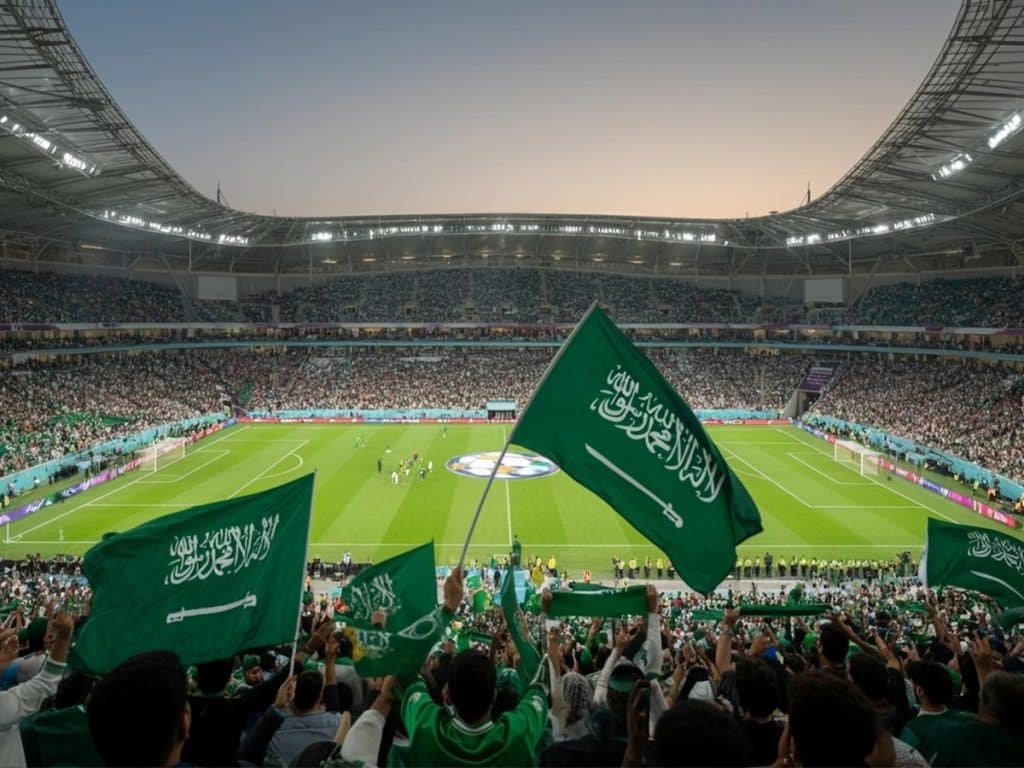
Saudi Arabia has also quickly recognised the potential in gaming and esports (reportedly worth more than the film and music industries combined) both through investment (including Savvy Games Group) and the hosting of major events, including the inaugural Esports World Cup and an agreement with the International Olympic Committee (IOC) to host the Olympic Esports Games to be hosted in the Kingdom for a period of ten years commencing in 2025.
Meanwhile, Saudi Arabia has also placed a clear focus on major sports events including hosting no less than four major international events in the next ten years, including:
2027: AFC Asian Cup in Riyadh, Jeddah, and Khobar
2029: Asian Winter Games in Torjena
2034: Asian Games in Riyadh
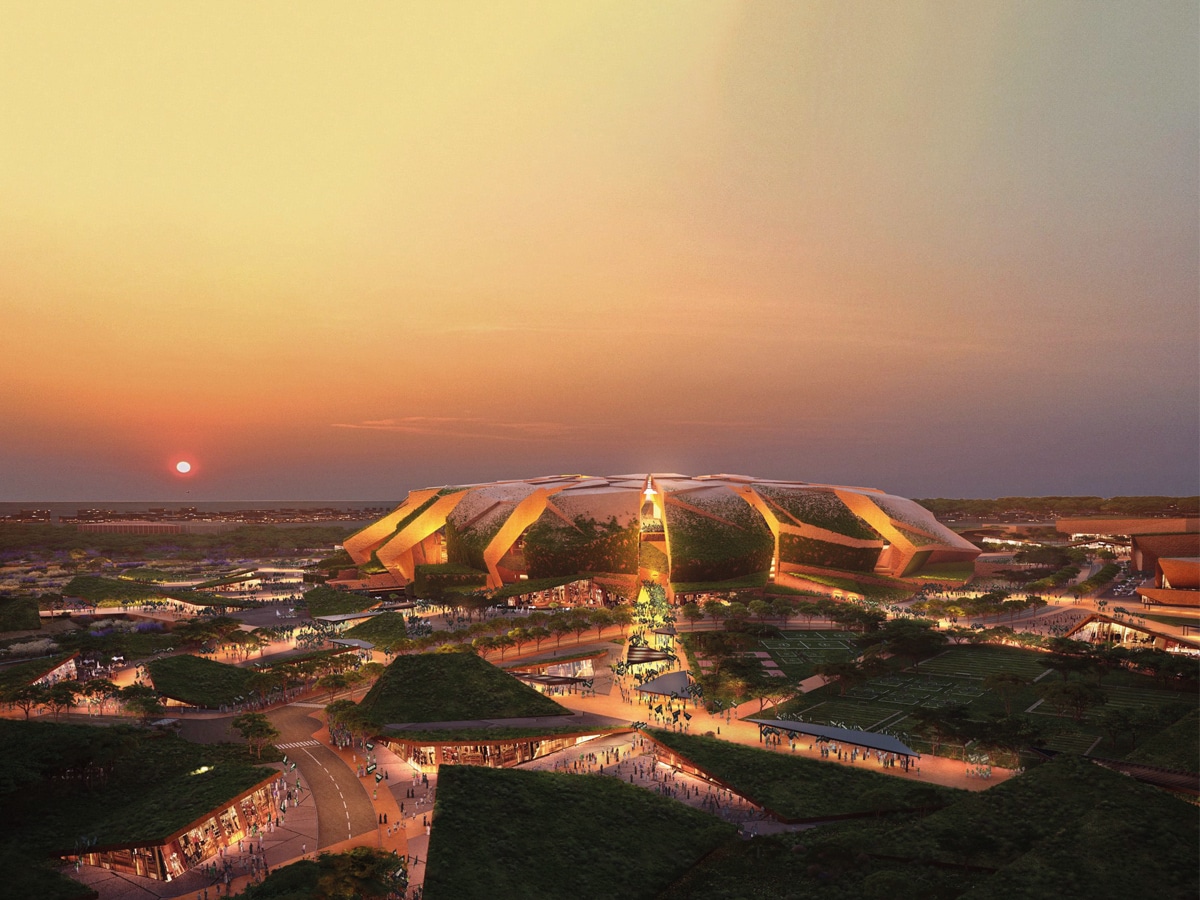
2034: FIFA World Cup in Riyadh, Jeddah, Khobar, Abha, and Neom
The World Cup is undoubtedly one of, if not the, biggest sporting events on earth and a crown jewel in the global sports calendar, and each of these events will: lead to investment in both (i) sports-specific infrastructure (which in the case of the FIFA World Cup means a number of brand new world-class stadiums and facilities, and the modernising of a number of existing stadia); and (ii) related connective and supportive infrastructure, including roads, public transport, airports etc. It will contribute to the Kingdom’s economy and GDP by way of: job creation; tourism; and brand growth; and increase its presence and influence in the global sports landscape.
Saudi Arabia has a young population as compared against international averages with 63% of locals aged 30 or under. Investment in sports, including hosting major events, as well as contributing to the economy over time by creating jobs, increasing tourism visits (and associated ancillary spending), further raising the Kingdom’s profile, accelerating investment in venues and infrastructure, and raising revenue (through broadcasting, advertising, sponsorship, ticketing, merchandise etc.), will also offer local Saudis (and visiting tourists) world-class entertainment options directly aligned with the interest of the majority of the population.
Access to facilities also increases participation amongst the local population, which in turn, leads to a fitter, healthier, and happier society (which Saudi Vision 2030 has as one of its core aims).
Hosting the World Cup is also likely to be a catalyst for legal and regulatory change throughout the Kingdom. Host nations of the World Cup are required to comply with a multitude of FIFA regulations covering everything from stadium and facilities to safety and security, intellectual property rights, and non-discrimination and human rights.
There can be no doubt that the Kingdom sees the opportunity offered by sports and is investing heavily as part of the Kingdom’s ambitious economic and cultural goals which is directly aligned with the goals of Vision 2030. The World Cup is just the latest of an increasing number of headline grabbing moves by the Kingdom to cement its ambitions as a key player in the global sports landscape and it still feels like they might only be getting started.
By Jamie Ryder, partner in the entertainment and media industry group at Reed Smith. This article was first published in the February 2025 inaugural print issue of Law Middle East.