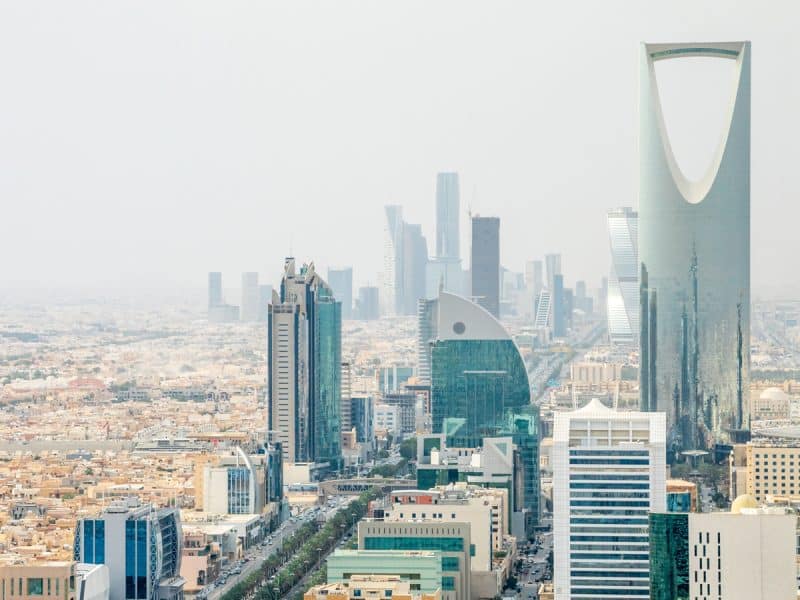

Saudi Arabia is driving an economic transformation to redefine its future beyond oil. With an ambitious push for diversification, significant investments in digitalisation, and the localisation of supply chains, the Kingdom has a plan to triple annual foreign direct investments by 2030, while prioritising sustainability along the way.
Rising from the sands along the Red Sea, the world’s largest green hydrogen plant is taking shape in the Kingdom’s northwestern region. At more than 60% completion, the $8.4 billion project by ACWA Power, Air Products, and NEOM, will rely entirely on solar and wind energy to power the hydrogen production. The facility is set to produce up to 600 metric tonnes of green hydrogen daily, and is on track to come on stream at the end of 2026, the project company has recently confirmed publicly.
Hydrogen has many uses. It can fuel transport, replace fossil fuels in the steelmaking industry, and even generate power. In the NEOM case, the plant will produce and export carbon-free ammonia to be used for mobility and other industrial sectors, via a 30-year off take agreement signed with Air Products. This project exemplifies Saudi Arabia’s broader strategy to decarbonise its economy through localised supply chains, fostering innovation and benefitting local communities.
Localisation holds a special place in the government’s agenda, which is offering substantial incentives to attract foreign companies to establish operations within the Kingdom. A key initiative is the Regional Headquarters (RHQ) Programme, which provides a multi-year exemption from corporate and withholding taxes for foreign firms setting up their regional headquarters in Saudi Arabia. Eligibility for government contracts is contingent upon establishing a regional headquarters in the country. This incentive is part of the government’s strategy to position the Kingdom as a major business hub. By the end of 2024, more than 500 companies had opened their regional headquarters in the country, according to official reports.
Building a local supply chain takes time, but Saudi Arabia has made it a top goal. The Local Content and Government Procurement Authority (LCGPA) is central to this effort. It has introduced policies to boost local content across sectors. For example, regulations mandate a 10% price preference for national products in government procurement. The LCGPA also requires contractors to gradually increase local resource use during contract execution. This Local Content Gradual Plan applies to companies bidding on government contracts.
At the same time, Saudi Vision 2030 and the Green Initiative aim to diversify the economy and grow the private sector. In 2024, the non-oil sector in Saudi Arabia contributed more than 50% to the nation’s $1 trillion GDP, whilst private sector investments are fast-approaching the target of 30% of GDP, according to official reports. Here is what contributed to this achievement: sustained investments with a growing share of foreign investments in renewable energy and tech start-ups, growing export of food products, petrochemicals and manufactured goods, and an increasing internal share of consumption.
Underpinning this growth is the evolving Saudi lifestyle, a fascinating blend of tradition and modernity. The local population is young (the median age is 30 years, compared to 45 years in Europe), driving a powerful demand for digital offerings that investors should not underestimate. The Kingdom ranked fourth globally in the latest United Nations digital services index, with seamless integration of high-quality digital services, from banking to e-commerce, in daily life across the country.
Meanwhile, the rapid growth of artificial intelligence is driving demand for computing power worldwide. Recently, Goldman Sachs highlighted the Middle East’s emerging role in this area. The region is set to become a key hub for AI data centres. Factors like its strategic location, access to cheap energy, and supportive government policies drive this trend.
Research shows that Saudi Arabia dominates the upcoming data market centre in the Middle East with almost 60% of the total power capacity. Current IT load capacity is estimated at 250-300 megawatts. This capacity is expanding, aiming to reach a total of 854 megawatts by 2029.
With increased digital services, foreign investors and services providers should keep an eye on regulatory changes. Saudi Arabia has established a legal framework for privacy through the Personal Data Protection Law (PDPL). The Communications & Information Technology Commission has also issued a Cloud Computing Regulatory Framework (CCRF). The PDPL is inspired by the EU’s General Data Protection Regulation (GDPR). The CCRF regulates cloud service providers and government entities in the Kingdom. Given the ink is still fresh on some of these regulations, investors may need expert advice for compliance.
Ultimately, global investors have a real opportunity to establish and expand their operations in Saudi Arabia, leverage stable government incentives and access to the largest market in the region, in exchange for well-defined commitments to sustainability, localisation and innovation.
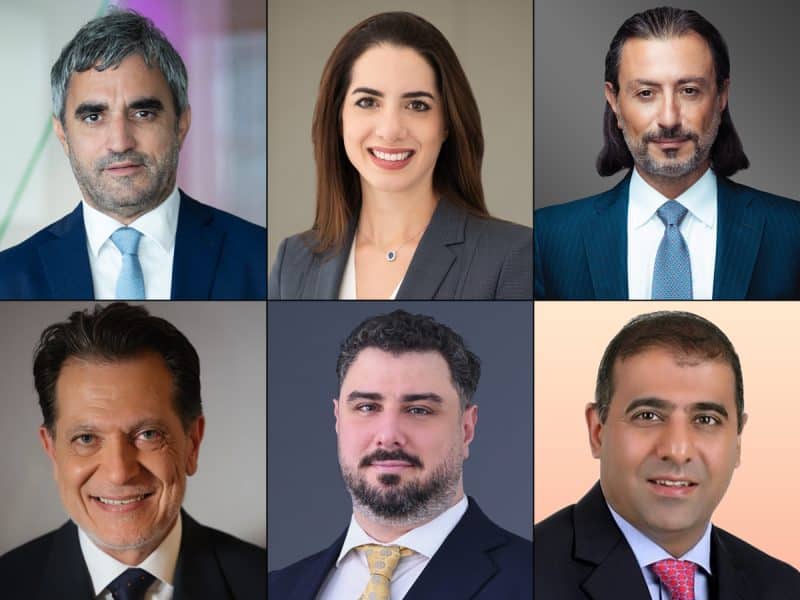
By Matteo Grassani, general counsel at Zahid Group, based in Jeddah, Saudi Arabia. This article was first published in the April 2025 print issue of Law Middle East.