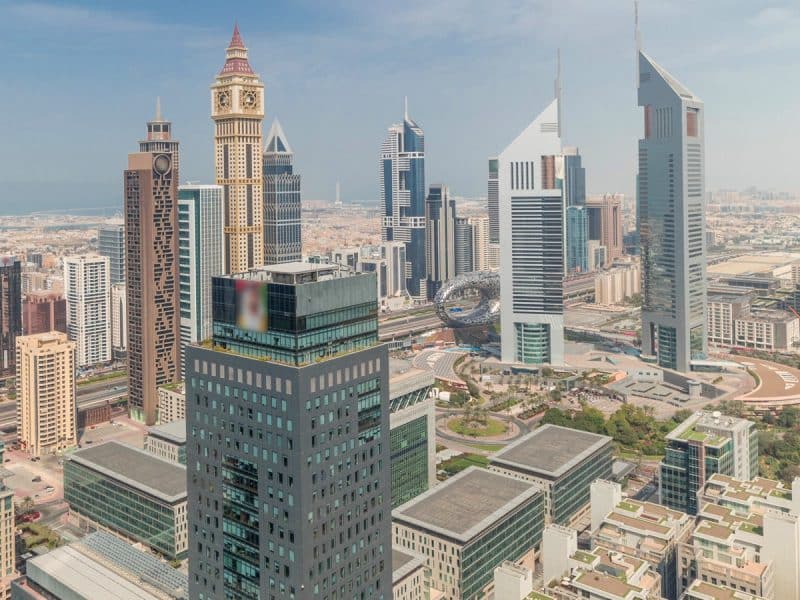

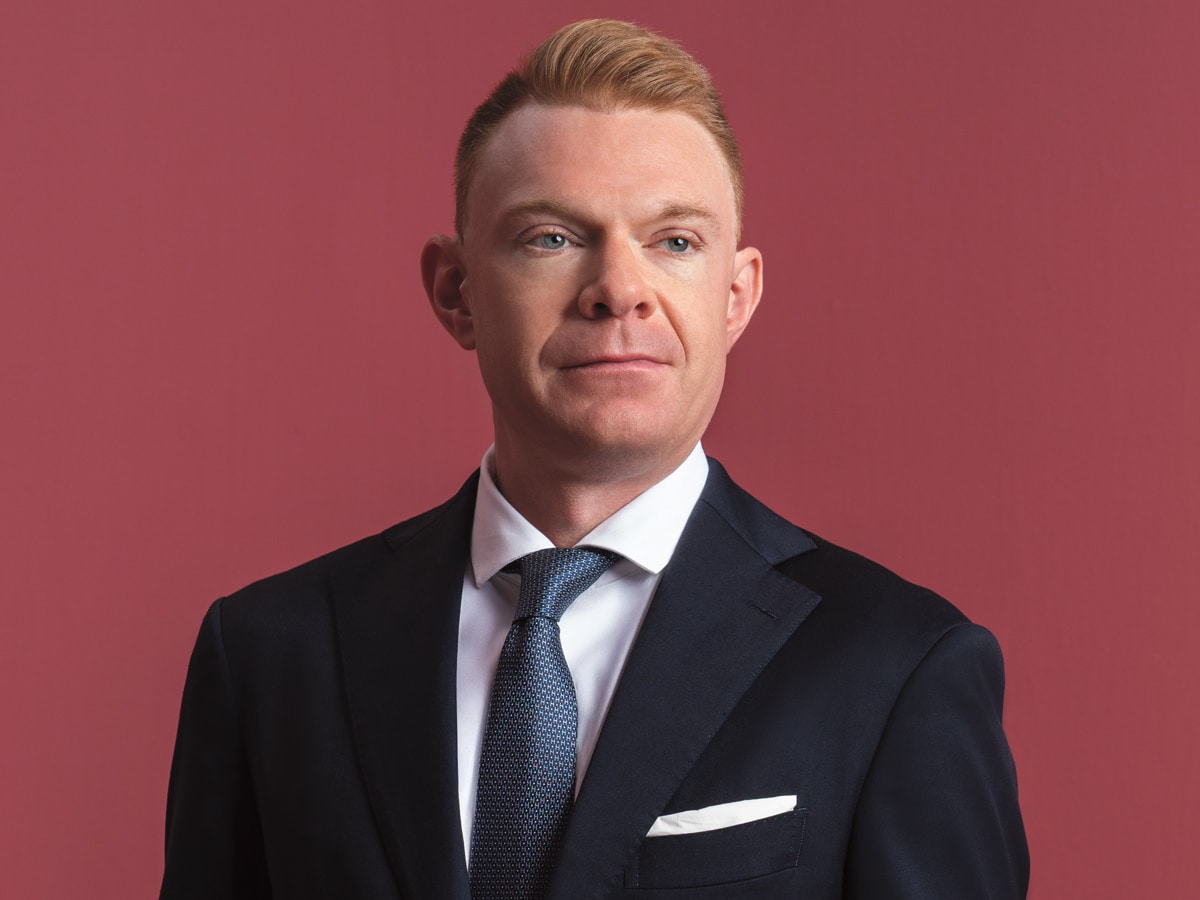

The Kingdom of Saudi Arabia (KSA) is developing at an unprecedented scale, driven by an ambitious vision to diversify its economy and reduce its reliance on oil. This monumental effort, epitomised by giga-projects such as NEOM, Qiddiya, and the Red Sea Project, require highly specialised lawyers, who can engage in every aspect of project delivery. For James Clark, a Riyadh-based partner leading the global construction practice at Kirkland & Ellis, the world’s biggest law firm by revenue, this presents unparalleled opportunities.
“If you want to be the best construction lawyer in the world at the moment, you have to be in Saudi Arabia,” he says. “The pipeline, together with the scale, the complexity, and the commitment to delivering those projects does not exist anywhere else in the world right now and won’t for a period of time.”
Riyadh, in particular, is emerging as “the global centre of construction project development,” according to Clark, who relocated from Abu Dhabi to Riyadh in October 2023 to establish the firm’s global construction practice. The practice has been going for just over a year and already they have received major cross-border mandates.
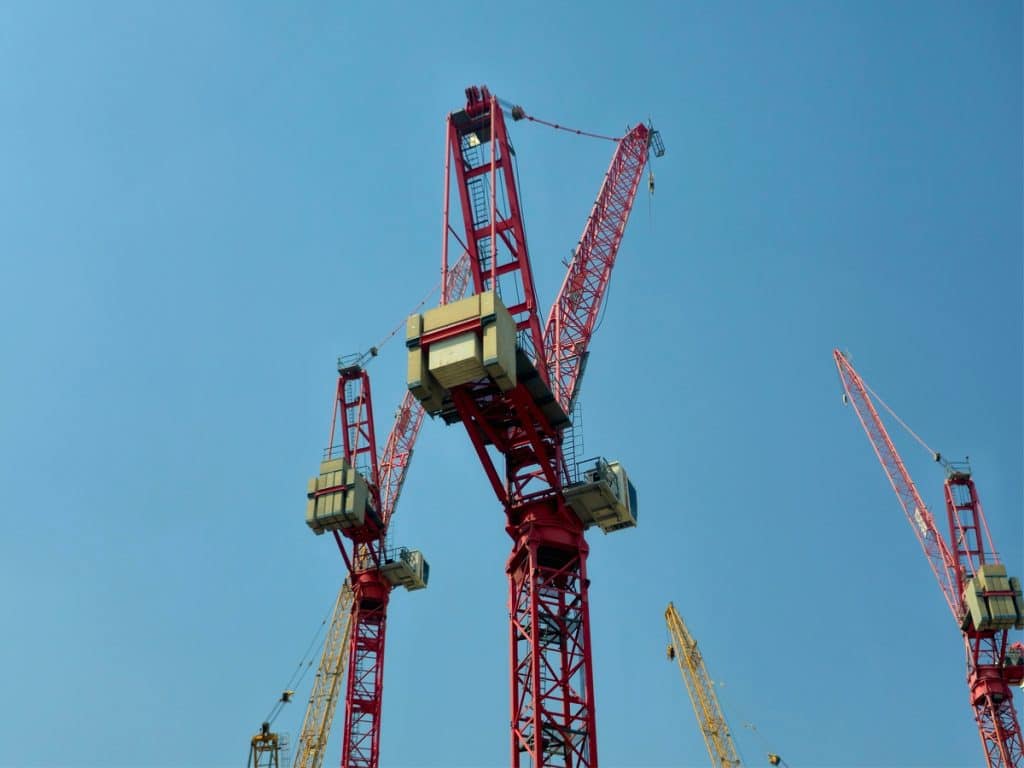
“One of the reasons why it is so exciting to be involved in these projects is that they are not just building an asset, they are building economies, cities, and communities, which require master planning, allowing us to strategise for delivery and integrate value across the entire project,” says Clark. “Every time you go to visit a client, the project is different to the last time you were there, because the rate of delivery is incredible.”
“Everything we do in the construction and projects space is tangible in a way that very few white-collar jobs are,” he continues. “I have been really fortunate to work in Australia, Asia, Europe, and the Middle East, and the projects you are involved in help change people’s lives.”
The role of lawyers
In the realm of construction, the role of lawyers extends far beyond traditional legal counsel. “You are not just a lawyer; you are a project manager,” says Clark, who has been involved in some of the world’s most complex construction projects, including most recently a $4 billion ammonia plant in Louisiana. “It is a hands-on, practical area of law demanding 360-degree vision.”
“We are service providers,” he continues. “We are sometimes the smartest people in the room, but we are never the most important people in the room. We are there to serve and the pinnacle of what we do is client service.”

Being an all-rounder is nowhere near as true in any other field as it is in construction law, he says. Beyond legal knowledge, construction lawyers need to understand the technical aspects of what is being built, funding sources, key drivers, and how to optimise risk allocation given the financial and operational realities.
“You have a GC or a CEO looking at you and saying, ‘we have come to you because we want to do this incredibly ambitious project’, and so you are not just providing legal advice, you are advising on the entire project, from operation through to execution, commissioning, testing, operating, and handover—you own the project, and it is fantastic.”
This deep involvement means collaboration is key. “I can never do them alone,” says Clark, who advises developers and lenders on the delivery of major projects. “You will always need specialists from other areas.”
Key trends
Clark observes a pivot towards digital infrastructure development in global construction projects. “The drive for cities to become smarter and more efficient is universal,” he says. “The development of regulations, not just in Saudi Arabia but around the world, in terms of data sovereignty makes that particularly complex and unique.”
Saudi Arabia’s giga-projects are unique because they are not simply upgrading existing infrastructure. Instead, they are building entirely new smart cities from scratch, backed by a clear vision and billions of dollars. “Digital infrastructure was not a word five years ago,” Clark asserts. “Now you are starting on a ten-year construction project wanting it to be the smartest in this space.”
Looking ahead, Clark anticipates an uptick in disputes as projects progress—a consequence of their sheer volume. This will come hand in hand with the regulatory frameworks established since 2019 which he says will be interpreted and tested for the first time, along with the institutions implementing them.
Building a construction practice
For law firms looking to build construction practices in KSA, Clark advises a thorough grounding in local rules, regulations, and requirements.
“People often come with an assured knowledge that, because this is how they did it in, say, the UAE, it will be the same out here, but that is not always the case,” he says. “Be aware of local requirements, and do not assume they will be the same as elsewhere. This is especially the case for projects with a huge degree of importance and a huge dollar figure based on them being successful.”
This article was first published in the June 2025 print issue of Law Middle East.