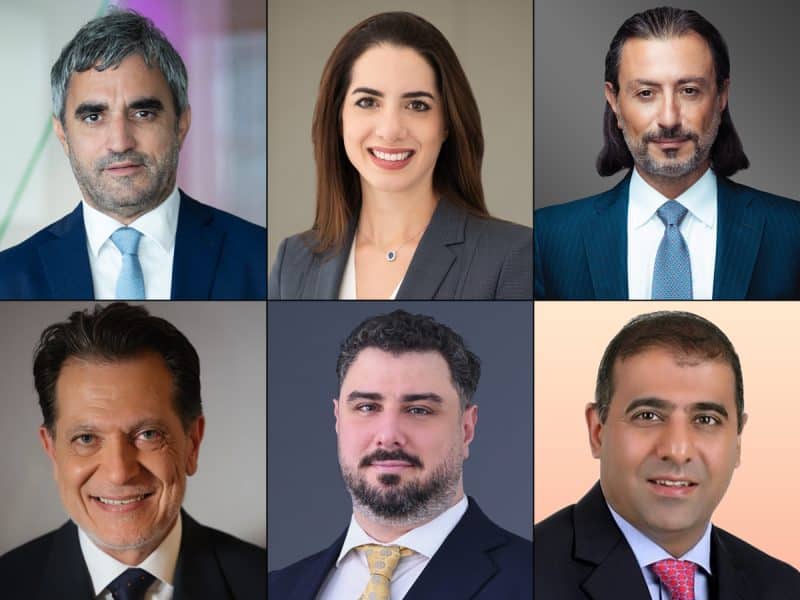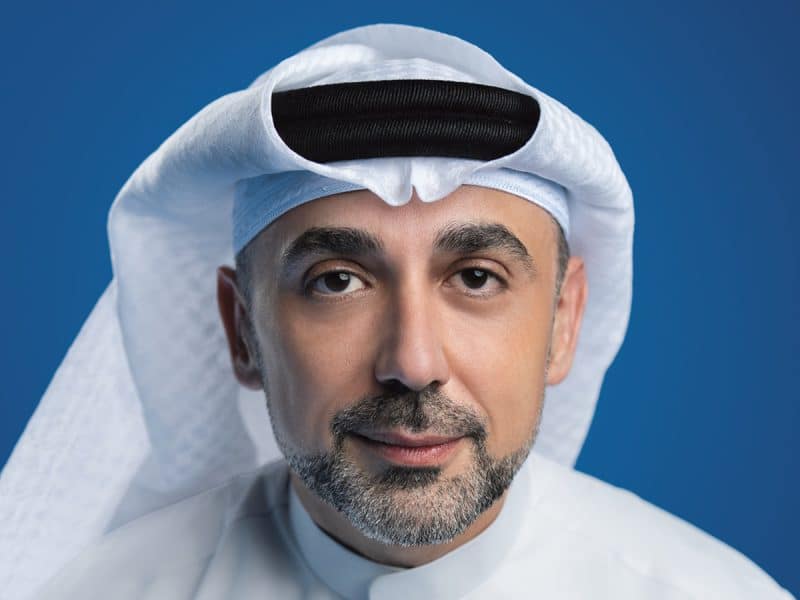

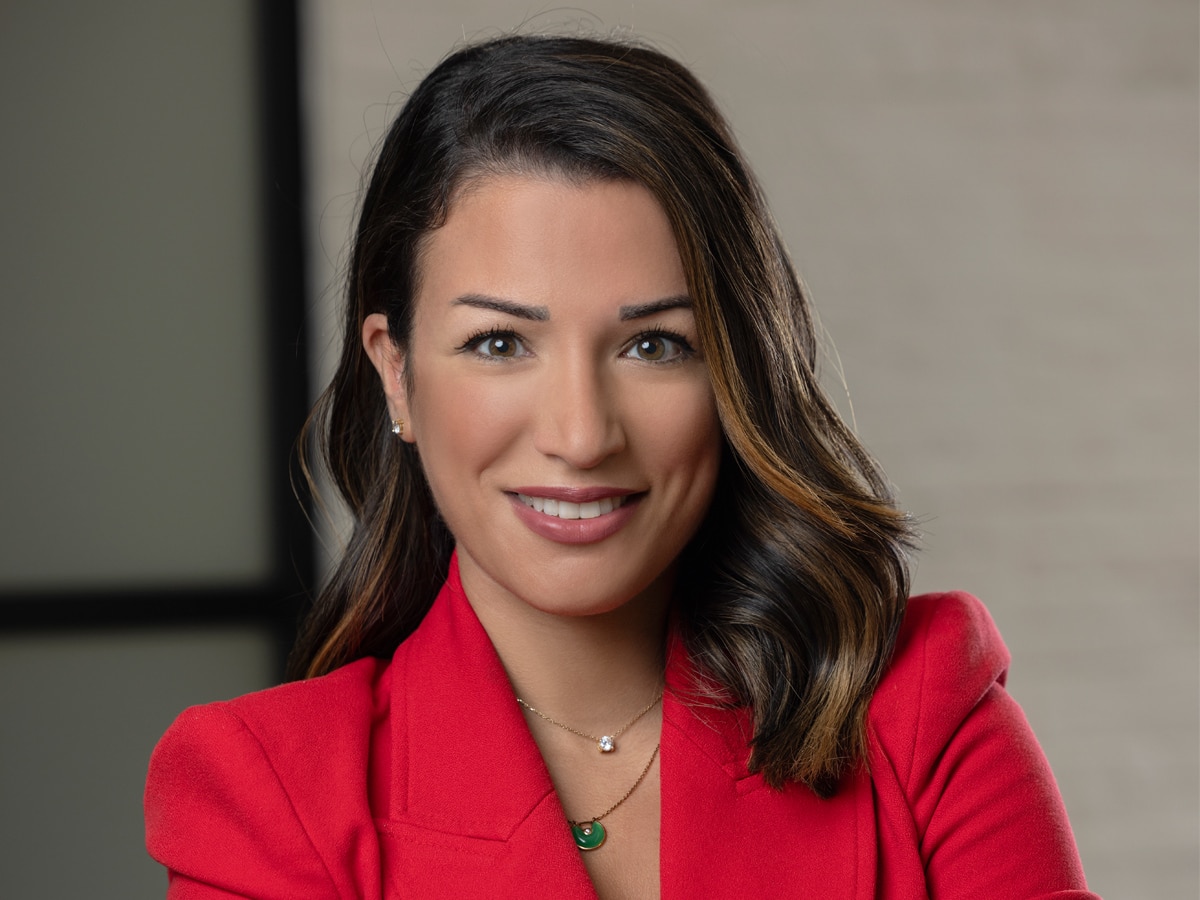
Maude El Khoury heads the legal department for Sunset Hospitality Group, which has bold expansion plans fuelled by two significant capital injections from Goldman Sachs. She provides legal advice to the board on matters relevant to the group’s operations and strategic objectives.
Interestingly, she did not start her career in private practice, and shares how she came to lead the legal team of a major company. She also reveals how her unique journey shaped her pragmatic leadership approach and why the role demands a far broader and more commercial mindset than ever before.
Career journey and evolving role of the general counsel
Your journey to general counsel at Sunset Hospitality Group is unique in that you did not transition from private practice. Could you elaborate on the key experiences and roles that led you to this position, and what advantages (or perhaps initial challenges) this presented?
Maude El Khoury: From early on, I was very intentional about gaining exposure to the real world, beyond purely academic learning. During my university years, while many of my peers would spend their summers on holiday, I dedicated each summer break to internships—working with a law firm in Lebanon, at the Court of Appeal in Paris, and even with the Lebanese Parliament. These diverse experiences gave me an early window into how the law operates in practice across different systems and jurisdictions, which was invaluable in shaping my preferences and professional direction by the time I graduated.
After completing my studies, I moved to Dubai and began my career with an oil and gas company. That role introduced me to complex commercial contracts and regulatory frameworks in a highly technical industry. I then transitioned to Uber, where I navigated legal and regulatory challenges in a fast-paced tech and mobility environment, followed by a role with Transguard, which exposed me to large-scale workforce solutions and security services.
Each of these industries—oil and gas, technology and mobility, facilities management, and ultimately hospitality—demanded a different set of legal skills, from contract structuring to regulatory compliance and risk mitigation. Moving across sectors not only broadened my legal knowledge but also sharpened my commercial awareness and adaptability.
By the time I joined Sunset Hospitality Group, I was well-equipped to handle the multifaceted legal and business needs of a dynamic, international hospitality brand. This non-traditional path gave me the ability to look at legal issues with a pragmatic, business-oriented mindset rather than a purely academic or theoretical lens, which I believe has been a major advantage in my current role.
Of course, transitioning in-house from the start, without the traditional private practice background, presented initial challenges—particularly around building credibility with external counsel and industry stakeholders. However, I quickly found that the breadth of in-house experience across multiple industries became an asset, enabling me to connect with diverse teams and offer solutions that align with broader business objectives.
How do you believe your background, outside of a law firm, has uniquely shaped your approach to in-house legal strategy and leadership at Sunset Hospitality Group?
MEK: My background outside of traditional law firm practice has given me a deeply pragmatic, business-focused perspective. From early on, working directly in corporate environments across diverse industries I learned to approach legal issues not in a vacuum, but as part of a broader commercial strategy.
In each role, I was embedded within the business, collaborating daily with commercial teams, finance, operations, and senior leadership. That helped me develop a problem-solving mindset that is solution-oriented rather than purely risk-averse. Instead of simply identifying legal risks, I aim to balance them against strategic opportunities, providing guidance that supports the company’s growth objectives while protecting its interests.
This exposure to different sectors also gave me the ability to adapt quickly, navigate ambiguity, and communicate legal concepts in a clear, relatable way to non-lawyers. At Sunset, where we move fast and innovate across new markets and concepts, this skill-set has been essential. It allows me to serve not just as a legal gatekeeper, but as a strategic partner to the business.
The role of general counsel has evolved significantly. From your perspective, what are the most critical shifts you have observed in the expectations and responsibilities of a GC, especially in a fast-growing, consumer-facing industry?
MEK: I think the most significant shift is that today’s general counsel is no longer seen only as the company’s legal gatekeeper, but as a true strategic partner and a member of the senior leadership team. In a fast-growing, consumer-facing industry, the GC is expected to balance protecting the organisation with actively enabling its growth.
The modern GC is involved in shaping commercial strategy, driving corporate governance, overseeing risk management, and even influencing ESG and sustainability initiatives. There is a stronger expectation for the GC to anticipate issues proactively rather than reactively—whether those are regulatory trends, reputational risks, or shifts in consumer protection laws.
In addition, the scope has expanded beyond purely legal advice to include crisis management, data privacy, cybersecurity, brand reputation, and even elements of corporate culture. In a hospitality environment, where the brand interacts directly with customers, this means I have to be tuned in to how legal frameworks intersect with guest experience, employee engagement, and market perception.
The bottom line is that the GC role today demands a far broader, more commercially minded, and collaborative approach than ever before—especially in a consumer-facing, fast-paced environment where legal strategy has to be fully integrated with business objectives.
Leading a legal team
Sunset Hospitality Group has a diverse portfolio of brands ranging from AURA Skypool to SUSHISAMBA. What are the most exciting, yet complex, legal challenges you face daily, particularly in managing the legal aspects of new venue launches and regional growth?
MEK: The diversity of our portfolio is exactly what makes the legal work both exciting and complex. Each brand has its own distinct identity, operational model, and customer promise, which means there is no one-size-fits-all legal playbook. For example, launching a high-profile venue like AURA Skypool brings unique regulatory, licensing, and safety considerations compared to a globally recognised brand like SUSHISAMBA, which has its own franchise, brand protection, and intellectual property frameworks to manage.
One of the key challenges is ensuring that every new opening meets the specific regulatory and compliance requirements of each jurisdiction, while still protecting the brand’s standards and commercial interests. That requires close coordination with local authorities, landlords, and our internal teams, often under tight deadlines.
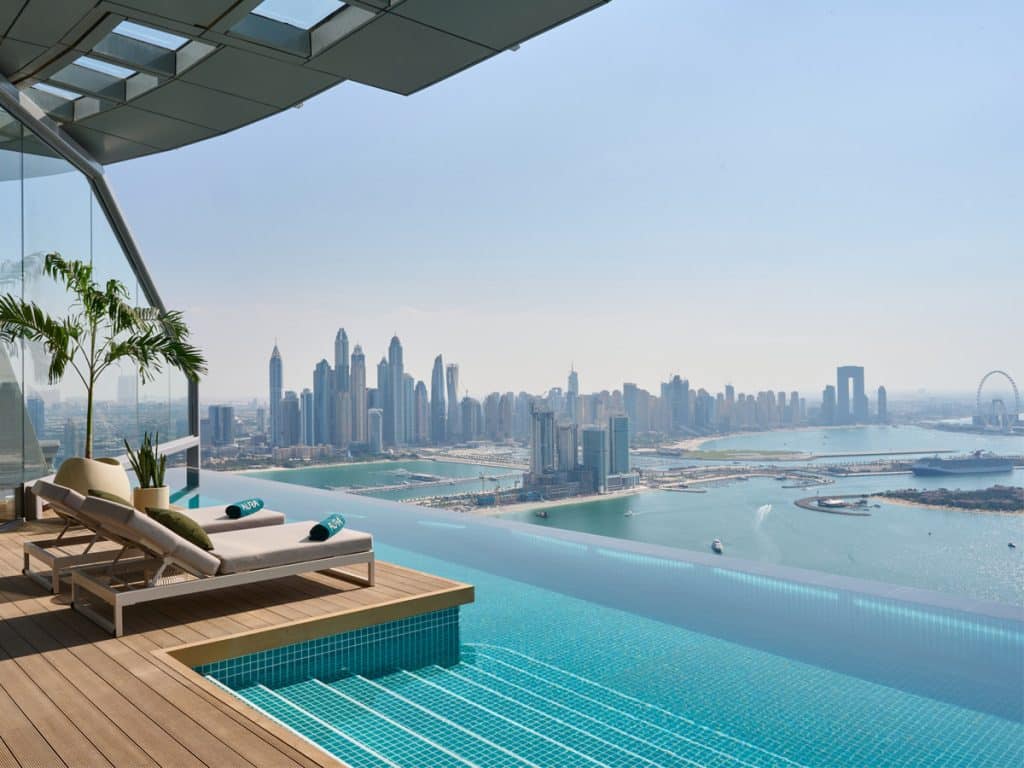
Another layer of complexity is negotiating and executing agreements that work across multiple regions—addressing everything from supply chain and labour law compliance to data privacy and consumer protection—while adapting to different cultures and business practices.
Ultimately, what I find most exciting is the opportunity to be part of building these unique experiences for our guests, while making sure that the legal framework behind them is sound, sustainable, and aligned with our long-term growth strategy. That means I am constantly balancing risk with opportunity, and working cross-functionally to help deliver truly memorable, legally compliant hospitality concepts across diverse markets.

The hospitality sector is evolving, particularly in a high-growth market like Dubai. What are the most pressing legal and regulatory developments you are currently navigating, and how do you ensure the group remains compliant while pursuing ambitious growth?
MEK: The hospitality sector in Dubai is evolving quickly, with stricter rules on sustainability, licensing, taxation, and guest data protection. At Sunset, we are targeting 20 hotels by 2026, supported by Goldman Sachs and HSBC so making sure we stay compliant is absolutely essential.
We keep a close dialogue with regulators, align our operations with ESG requirements, and embed robust legal protections in our contracts to handle risks and potential delays. It is about building a compliance culture that allows us to grow quickly, but responsibly. That balance is what gives us the confidence to deliver on our ambitious plans.
Could you tell us about the structure of your in-house legal team at Sunset Hospitality Group? How do you foster a collaborative environment within your team?
MEK: We have a lean but highly effective in-house legal team of five, all based at our head office, supporting the business across our global operations. We work closely with teams in every region to make sure we are aligned on priorities and can respond quickly to local challenges.
I encourage a very open, collaborative environment, where everyone is empowered to share ideas and learn from one another. We have regular catch-ups, knowledge-sharing sessions, and stay closely connected with the commercial teams so we are seen as true business partners, not just legal gatekeepers. That culture of trust and collaboration is what makes us successful.
Could you share an example of a particularly challenging or rewarding legal project you have overseen at Sunset Hospitality Group, and what key lessons you took from it?
MEK: One of the most challenging yet rewarding legal projects I have overseen at Sunset Hospitality Group was securing the investment from Goldman Sachs, which was their first-ever hospitality investment in the Middle East. When I joined Sunset, I was still new to the group, learning the culture, the systems, and the ambitious growth plans. At the same time, there was tremendous pressure to secure and close this funding within a very tight timeline to support our rapid expansion.
It was a complex transaction, involving cross-border deal structuring, extensive regulatory approvals, and thorough due diligence, all while managing multiple internal and external stakeholders. Coordinating this while building my own credibility in a new role was a true test of resilience and adaptability.
The key lessons I took away were the value of clear, proactive communication, staying laser-focused on strategic objectives under pressure, and fostering trust with all parties involved. Ultimately, delivering this funding on time was a pivotal moment for Sunset’s growth story, enabling our expansion towards 20 hotels by 2026, and it remains one of the most rewarding projects I have led.
Working in-house and future outlook
What advice would you give to junior lawyers who aspire to reach a general counsel position in the Middle East, especially outside of the traditional private practice route?
MEK: My biggest advice is to get as close to the business as possible. Do not just focus on the black-letter law—truly understand how decisions are made and what drives commercial success. That is what will set you apart and prepare you for a general counsel role.
Also, trust yourself. In-house lawyers often second-guess their judgement, but you need the confidence to give clear, practical advice. It is equally important to build strong relationships—with your team, with stakeholders, with regulators—because trust and credibility matter so much in the Middle East.
Finally, always make sure the business sees you as a partner, not a show-stopper. Legal should not be viewed as the reason deals are delayed, but as a protector of the business who enables things to move forward safely. And of course, stay curious and adaptable—this market evolves so fast that continuous learning is essential.
What skills or qualities are required to succeed in a demanding role like yours, especially within a fast-growing industry?
MEK: I think you need to be commercially minded, pragmatic, and resilient. In a fast-growing industry like hospitality, things move quickly, and you cannot afford to get stuck in theoretical legal debates. You have to give solutions that work for the business, while still protecting its interests.
Strong communication skills are key—you need to explain risks clearly and help non-lawyers feel confident in the decisions they are making. Also, you have to stay calm under pressure and be adaptable, because priorities can change overnight. And finally, you need to build trust, so that your colleagues see you as a true partner, not an obstacle.
How do you manage external legal counsel relationships, and what are your key considerations when selecting law firms to partner with on complex matters in various markets?
MEK: We see external counsel as an extension of our in-house team, so collaboration and alignment are critical. When choosing a law firm, I look for deep market knowledge, practical commercial advice, and a genuine ability to work with us as partners rather than simply billing hours.
Responsiveness is absolutely key, especially in a fast-paced sector like hospitality, and I value firms that are proactive in flagging issues before they become problems. Finally, cultural fit matters—especially in the Middle East, where relationships and trust play such an important role in how business gets done.
Looking ahead, what are your predictions for the Middle East hospitality sector over the next few years?
MEK: I think the Middle East hospitality sector will continue to see very strong growth over the next few years. We are seeing a clear shift toward luxury, lifestyle, and experiential travel, with guests expecting far more personalised and meaningful stays. Technology will play a huge role in enabling that, from AI-driven guest preferences to seamless digital services.
At the same time, there is growing pressure around sustainability and ESG, which is becoming a core part of hotel development rather than just a marketing element. Beyond the UAE, Saudi Arabia and Qatar are heavily investing in new mega-projects, which will diversify the market and create even more opportunities across the region.
Overall, it is a dynamic, high-growth moment for hospitality, and those who adapt quickly to changing guest expectations and regulatory frameworks will be best positioned to lead.
Beyond the legal work, what aspects of your role at Sunset Hospitality Group do you find most fulfilling?
MEK: Beyond the legal work, what I find most fulfilling is being part of a team that is genuinely shaping the guest experience and building something tangible. Before I joined Sunset, when I first met the founders of Sunset, I was really impressed by their bold vision for growth, even in the middle of the Covid-19 challenges. That optimism and ambition inspired me to join them.
Now, seeing new hotels and restaurants come to life after all the effort behind the scenes is incredibly rewarding. I also enjoy working closely with different teams—HR, business development, operations, design, finance—and being seen as a trusted advisor rather than just the legal gatekeeper. That partnership and shared sense of achievement is what makes this role so meaningful for me.
Maude El Khoury is general counsel at Sunset Hospitality Group. This article was first published in the July-August 2025 print issue of Law Middle East.