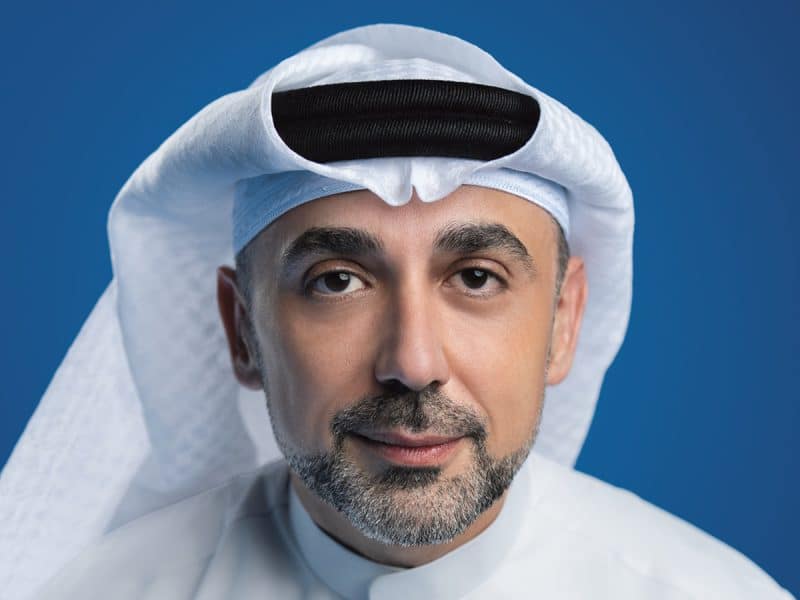



Jehad Abdulrazzaq Kazim is the first Emirati woman to assume a leadership position in the Dubai International Arbitration Centre (DIAC), the largest arbitration centre in the Middle East, and the first Emirati woman on the executive board.
She has devoted the past two decades to the legal and alternative dispute resolution fields in Dubai.
Now over a year into her role as executive director, I caught up with her to find out about her career and what’s next for the centre.
Aishah Hussain: You are the first Emirati woman to assume a leadership position in the largest arbitration centre in the Middle East—what did it take to get there?
Jehad Abdulrazzaq Kazim: I am grateful to the visionary leadership of Dubai and the Dubai International Arbitration Centre (DIAC) for their progressive vision and unwavering support in championing gender equality and empowerment. This achievement is a testament to years of hard work, dedication, and continuous learning.
My qualifications and expertise in alternative dispute resolution were the foundation upon which this opportunity was built.
Undoubtedly, the journey to this leadership position was not without its challenges. However, through resilience and perseverance, I overcame each obstacle along the way. I believe it’s crucial to cultivate environments where individuals are valued for their talents and contributions, irrespective of gender. Through my role, I hope to catalyse positive change and pave the way for future generations of aspiring leaders.
AH: Now with over two decades of experience overseeing the legal and alternative dispute resolution fields in Dubai, how do you think the landscape has changed?
JAK: Dubai has evolved into a global hub for business and commerce. Its magnetic allure has drawn multinational corporations and investors from across the globe, seeking opportunities in its dynamic and diversified economy. The emirate’s legal system has demonstrated an impressive capacity to evolve over time, adjusting to the requirements of a modern and globalised world. By combining elements from various legal systems, Dubai offers businesses choice and flexibility. Moreover, the emirate has been a pioneer in developing progressive legislation and judicial frameworks to expedite digital transformation.
Notably, the enactment of the Federal Law No. 6 of 2018 on Arbitration marked a significant milestone, providing a robust legal framework for arbitration proceedings. This legislation was a crucial step in aligning arbitration practices with international standards and fostering a more conducive environment for resolving commercial disputes. Subsequent updates to the arbitration laws have further strengthened Dubai’s status as a global hub for alternative dispute resolution.
Institutions like DIAC have been instrumental in bolstering the emirate’s reputation as a hub for international business. By providing a reliable and transparent forum for dispute resolution, DIAC has significantly contributed to Dubai’s standing as a preferred destination for resolving commercial disputes.
AH: It is widely known that international businesses have a strong preference to resolve disputes in arbitration rather than the local courts. What sort of disputes are you seeing at present?
JAK: Arbitration has emerged as the preferred choice for resolving international business disputes due to its inherent advantages, including flexibility, confidentiality, and the ability to select arbitrators with specialised subject-matter expertise. DIAC oversees a diverse array of cases, reflecting Dubai’s multi-faceted role as a global hub.
Key sectors driving its caseload include construction and real estate, energy, logistics and transport, banking and finance, and tech disputes, which are currently trending. DIAC’s forward-thinking approach ensures it remains at the forefront of efficiently and effectively resolving these intricate technology-related disputes.
AH: DIAC underwent changes lately, with a reformed court, expansion of the board of directors, and updated rules. How has this enhanced the services the centre provides?
JAK: Over the past few years, DIAC has undergone a significant transformation aimed at enhancing our arbitration services. During this period, we have expanded our Board of Directors to include experts from various jurisdictions. Additionally, we have implemented significant reforms in our Arbitration Court, which now boasts 13 distinguished arbitration experts representing 11 nationalities.
The introduction of our Mediation Rules and the earlier update of our Arbitration Rules, including provisions for third-party funding, expedited procedures, and an emergency arbitrator, has made our processes more efficient and responsive to meet the contemporary needs of businesses. These changes, together with the addition of new members to the case management team and expansion of our operational teams, have been critical in driving our strategic objectives and improving service delivery.
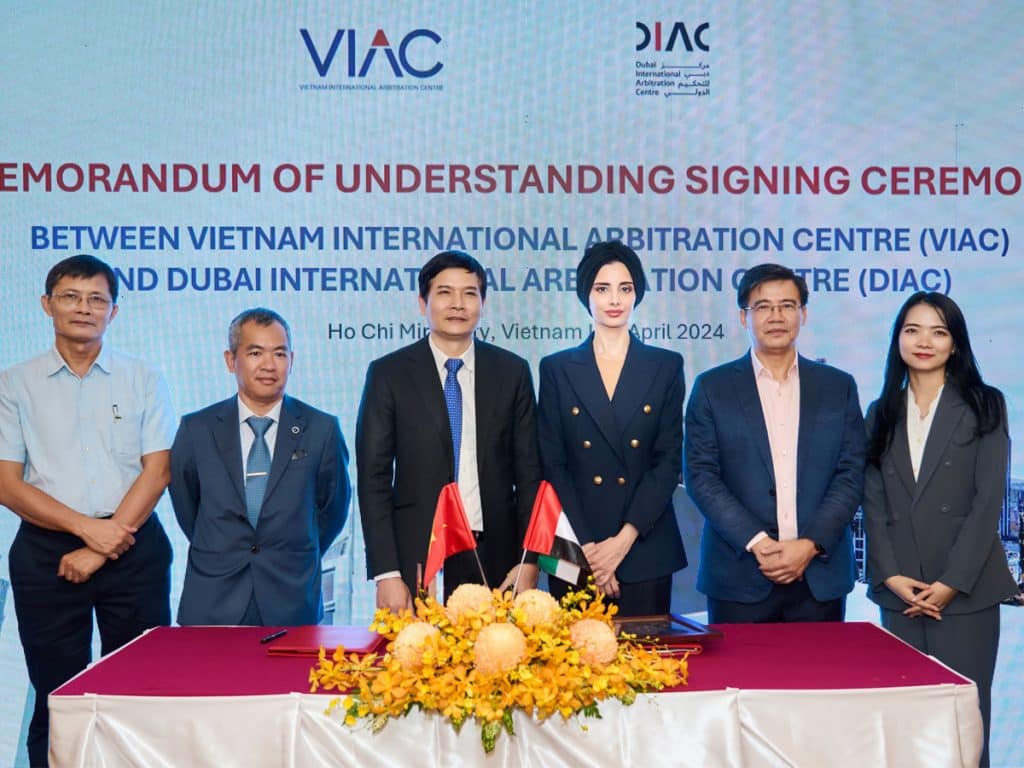
AH: DIAC recently signed an MoU with VIAC to expand its reach and reinforce its position as a global hub for dispute resolution. Why Vietnam, and which other jurisdictions are on your radar?
JAK: The UAE-Vietnam trade relationship has been steadily growing, presenting abundant opportunities for collaboration and mutual benefit. Notably, the UAE holds the position as Vietnam’s top Arab trade partner, constituting a significant 39% of its total trade with Arab nations. Conversely, Vietnam is the UAE’s foremost trade partner within the Association of Southeast Asian Nations (ASEAN) region. Establishing ties with the Vietnam International Arbitration Centre (VIAC) allows us to facilitate smoother business transactions between the two countries by offering efficient and effective dispute resolution mechanisms.
Our radar extends to regions with robust economic activity and a growing demand for arbitration services. Countries with thriving business eco-systems and a commitment to fostering a conducive environment for international trade are particularly attractive to us. Through strategic collaborations and a forward-thinking approach, we aim to meet the evolving needs of the global business community and contribute to the promotion of international arbitration.
AH: What are your plans for DIAC in the coming year?
JAK: We are committed to the continued development and expansion of our team to meet the demands of our growing operations. Our focus remains on prioritising process optimisation and integrating innovative technologies to streamline and enhance our arbitration procedures, ensuring they remain effective and responsive to the evolving needs of our stakeholders. In addition to enhancing our case management and operational efficiency, we aim to advance our educational programmes to better cater to the evolving needs of the arbitration community. These programmes will be customised to address sector-specific disputes, ensuring practitioners are equipped with the requisite knowledge and skills to navigate them effectively.
AH: Given the various centres in the Middle East, how is DIAC maintaining an edge?
JAK: DIAC has over three decades of experience in providing dispute resolution services to parties engaged in business within or through the Middle East, Africa, and South Asia region. As the region’s largest arbitral institution, DIAC is independent and committed to excellence, efficiency, and diversity. We have successfully administered over 5,000 cases totalling approximately US$22 billion in disputes. In 2022, DIAC registered 340 cases, with a total amount in dispute exceeding AED 11.2 billion (equivalent to US$3.1 billion). The caseload of the centre is increasingly diverse, with a broad spectrum of industries and sectors, and disputes involving parties from 48 countries. International disputes comprised 44% of DIAC’s caseload in 2022.
To better serve our users, party counsel, and arbitrators, we have made significant investments in our casework and operational teams. Our team is highly diverse, hailing from 14 countries and proficient in 16 languages. We are constantly refining our processes, adopting technological advancements, and cultivating a talented and diverse workforce to accommodate the demands of our users. Additionally, we continuously seek feedback from stakeholders to improve our services and processes.
AH: Finally, what advice do you have for women in the legal profession?
JAK: For women in the legal profession, navigating the intricacies of the field can be both challenging and rewarding. Staying updated on legal trends and developments, and having a strong network of professionals both within and outside the legal field is crucial.
Further, self-advocacy plays a pivotal role in ensuring recognition and career progression. Women should confidently articulate their achievements, aspirations, and contributions.
Beyond professional pursuits, maintaining a healthy work-life balance is essential for long-term wellbeing and success.