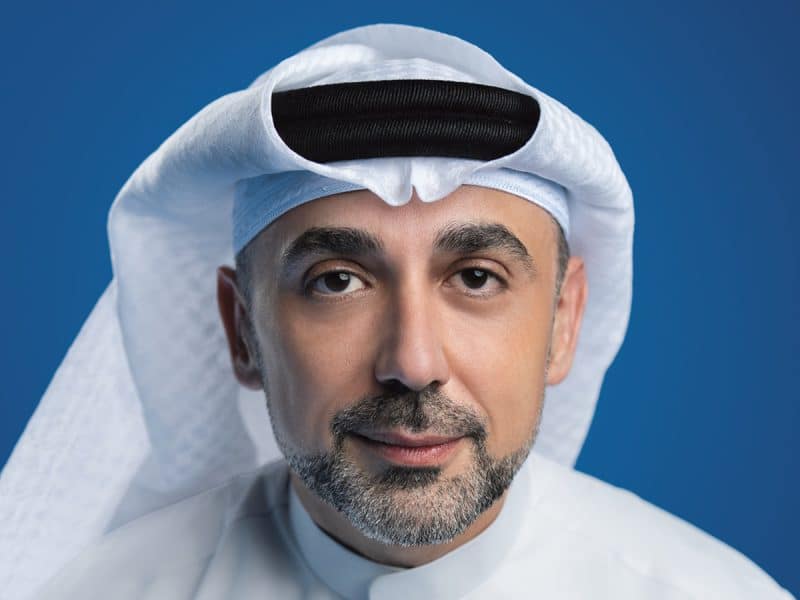

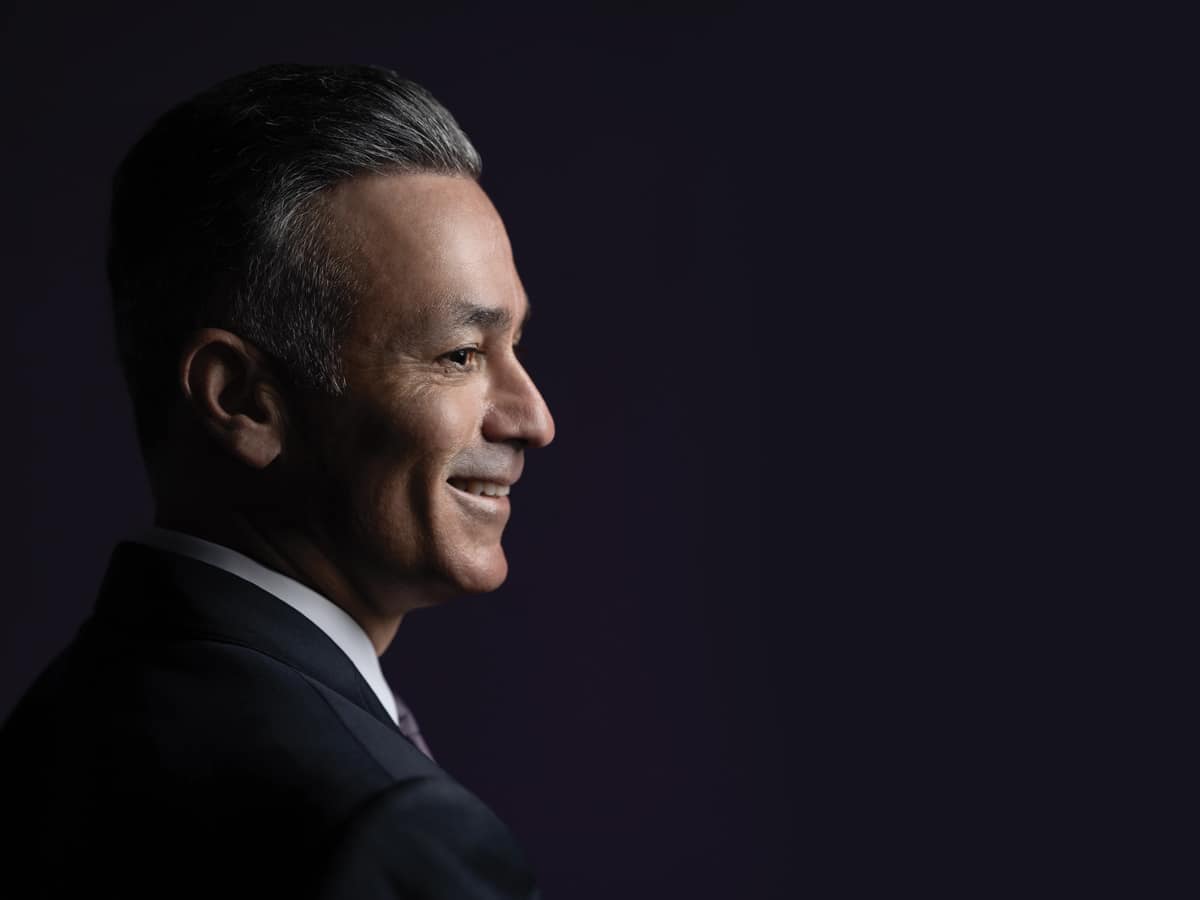

In just over two years, Gibson Dunn has significantly expanded its Middle East presence, growing from a team of six to 62 lawyers and trainees. It is the firm’s largest investment in its 135-year history, according to Marwan Elaraby, partner in charge of the Dubai office, and an incredible growth story for a firm which has ongoing ambitions for expansion.
“I think that is one of the things that maybe sets us apart from some of the newcomers,” he says. “Unsurprisingly, everyone can see the opportunity we are seeing, but I think we tried to capitalise on it in a way that was more holistic as opposed to opportunistic.”
Gibson Dunn’s global chair and managing partner, Barbara Becker, underscored the firm’s commitment to the region, stating: “We are deeply committed to the Middle East, where we have represented clients for more than 40 years. We have the best team and the broadest capabilities in the region, and we are excited to continue expanding our stellar team.”
Going for growth
Elaraby joined the firm’s Dubai office in October 2022. Some months later in January 2023, the firm opened an office in Abu Dhabi, and later that year in November the firm opened an office in Riyadh.
Gibson Dunn hired teams of lawyers as part of its rapid expansion in the region; including a seven-lawyer team from Shearman & Sterling (now A&O Shearman) for its Abu Dhabi debut, and another team of seven lawyers from White & Case in Riyadh.
“There is usually a ramp up for how long it takes to get lateral teams or new offices off the ground, but we have beaten every internal metric we have,” says Elaraby, who has been based in the region for over a decade. “We felt it was really important to have the right set up.”
‘Fit for purpose’
There are three partners in charge of the firm’s Middle East operation. “We have a flat structure at the management level, locally,” he continues. “We do not have a Middle East regional managing partner—we have three, what we call, partners in charge, one for each office.”
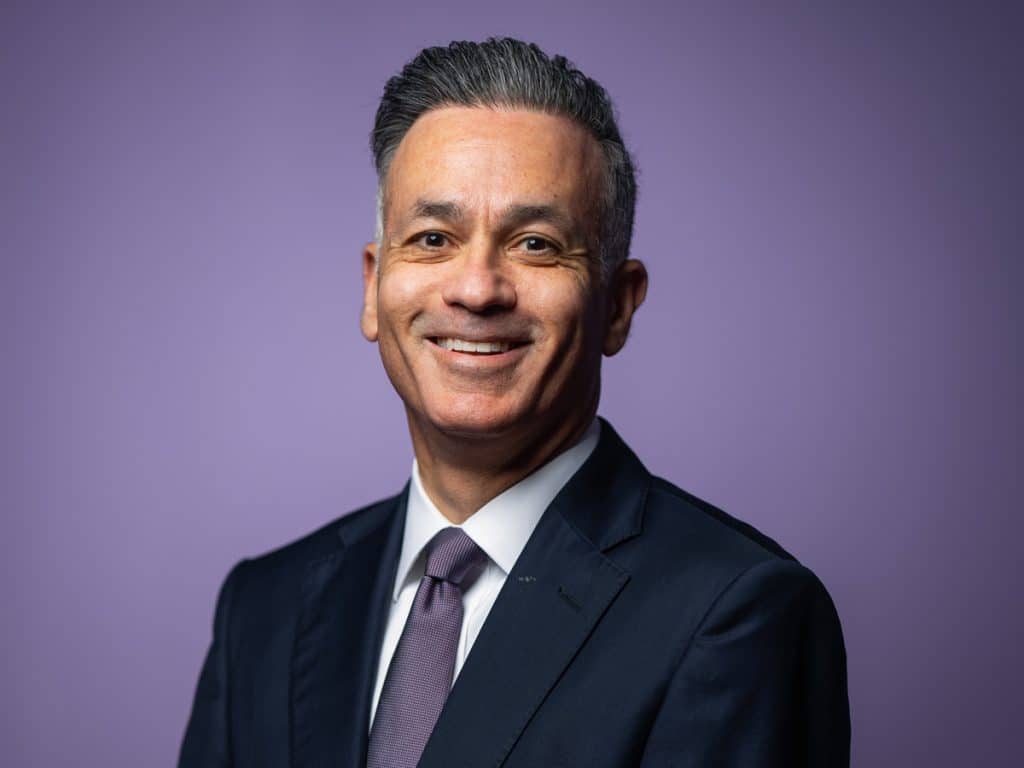
Alongside Elaraby, Renad Younes oversees the firm’s Abu Dhabi office, while Megren Al-Shaalan is the partner in charge of the Riyadh office.
“We all see eye to eye on the opportunity, and therefore it is a very similar, assertive outlook and strategy. I think that is really important, because if you have different views, it makes it harder to grow in the same direction,” he says.
“Interestingly, that is one of the benefits of making a relatively recent move as opposed to having a legacy platform that you try and adapt to how the market has evolved. So, if we had all been doing this together for 20 years, I am sure we would have been set up for the way things used to be, but not the way things are right now in the region, which actually makes it harder to change because people are set in their ways.”
“We built it for what we are seeing going forward,” he adds. “So, if you look at the team in Saudi Arabia, for example, we have a team on the ground. While that team obviously works closely with the platform, including the UAE offices, it was not built to generate work for somebody in, say, Dubai to execute. It is fit for purpose given market dynamics and regulatory requirements in Saudi Arabia.”
Saudi Arabia
Saudi Arabia is experiencing significant growth, driven by the Kingdom’s economic diversification plan. “I do not think you can have a credible Middle East presence without being in Saudi Arabia,” continues Elaraby. “There was not much hesitation about entering Saudi Arabia—it was the obvious next step.”
Then it became about building the team in the right way, he explains.
Gibson Dunn has close to 30 lawyers and trainees in Riyadh—nearly half of its regional personnel which is indicative of its level of investment and commitment to the Kingdom. They handle inbound and outbound work, alongside matters relating to capital markets, project finance, regulation, and dispute resolution.
Big wins
Already the firm has won big regional mandates, having recently announced its involvement acting for Delivery Hero and talabat in connection with the $2 billion initial public offering (IPO) and listing of talabat on the Dubai Financial Market (DFM), marking the largest IPO in the GCC last year.
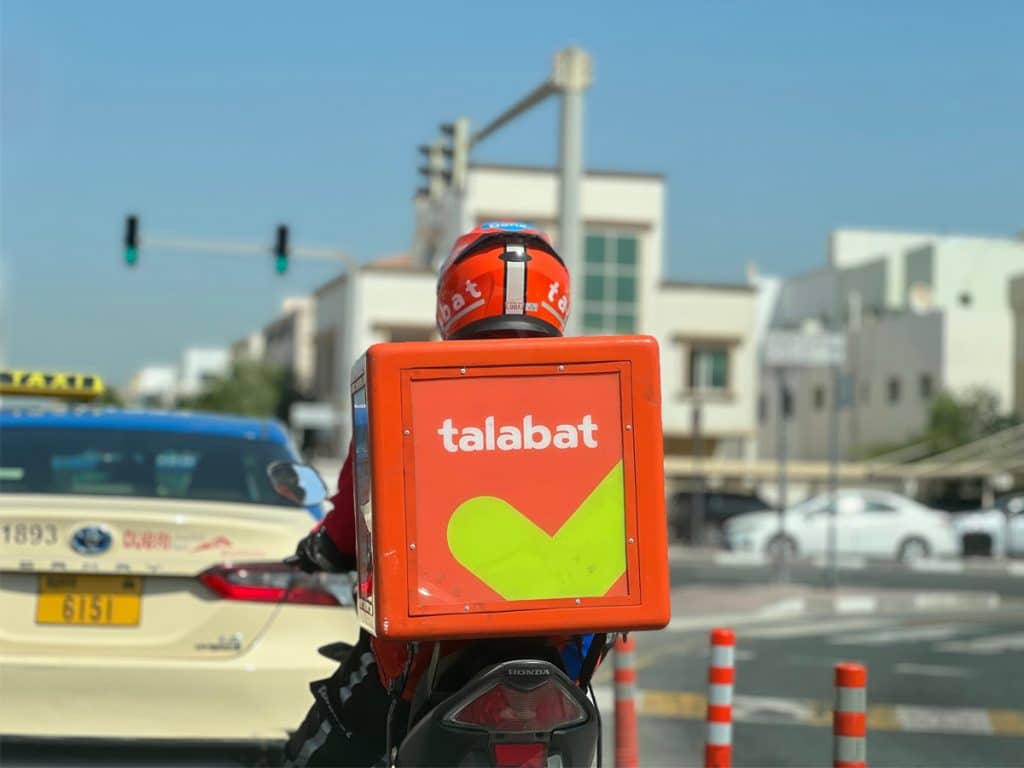
It was the second year running that Gibson Dunn was issuer’s counsel on the largest IPO in the UAE, following 2023’s $2.5 billion ADNOC Gas IPO on the Abu Dhabi Securities Exchange (ADX).
Opportunities abound
Elaraby is bullish for the year ahead. “We are on a great run and it is great to see how the market has evolved,” says Elaraby, who specialises in mergers & acquisitions (M&A), private equity, and capital markets. “The depth, not just the volume, but the depth of the market is fantastic, and therefore, we continue to be very bullish on the UAE and Saudi Arabia.”
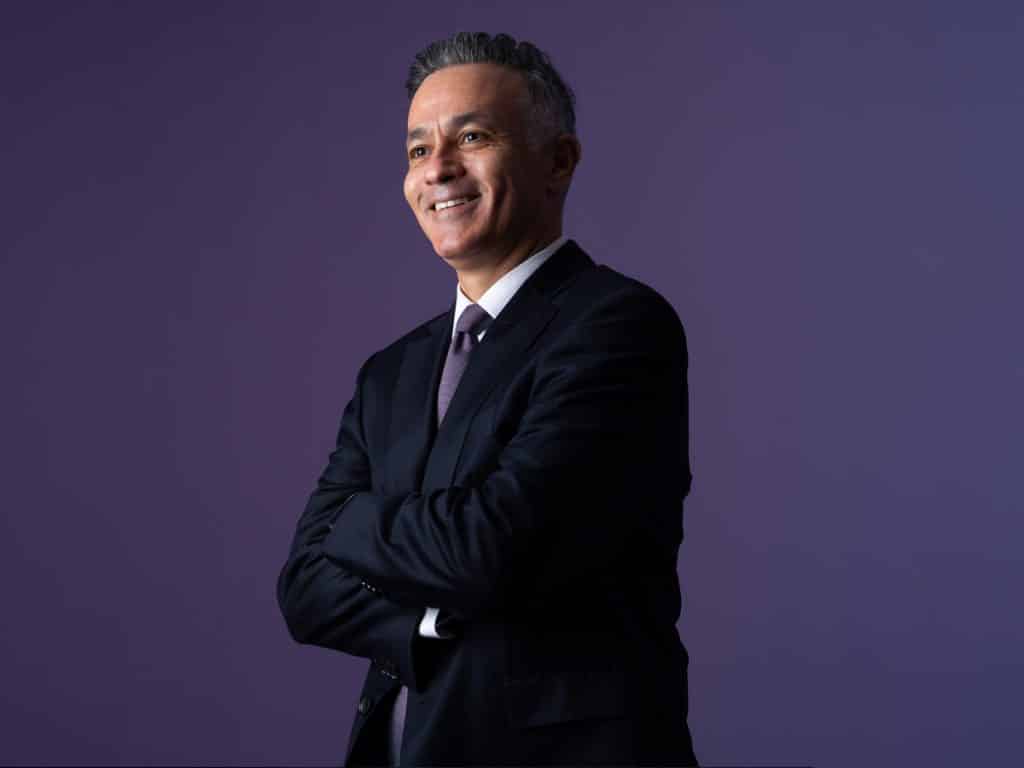
“Outside of capital markets, on the M&A and private equity side, we continue to see a lot of opportunities, regional, inbound, and outbound,” he continues. “For example, as the plans for diversification continue, we are seeing more strategic outbound deals get done because the new national champions are establishing global platforms with regional bases and part of that platform formation often includes buying international players to gain global scale and industry know-how.”
“We are also seeing more inbound deals and this is remarkable because it was very limited before, where you have both financial sponsors and corporate players now investing in the region, attracted by solid macro fundamentals, stable FX, and very positive demographics.”
All of this means law firms will strive for market share in the region and to attract and retain talent.
“There is consolidation happening in the region,” observes Elaraby. “There are firms that are going to rise to the top and dominate the premium end of the market. And so, there is a war for talent. Attracting and retaining talent takes a lot of work and financial resources, and so for us, ticking all of the boxes, whether that is a great culture or the international platform, is important.”
What is next
Having built a formidable presence in the region’s busiest economic centres over the past two years, Elaraby’s priority for the regional practice is to maintain the momentum.
“We are pretty close to our steady state from an overall footprint perspective,” he says. “We still have some more growth—not at the pace we were at—but we do have some more growth in the UAE and Saudi Arabia planned for 2025, whether through additional partner hires in areas we have targeted for growth and require greater capability.”
He is quick to rule out further office expansion. “I think we have the right set up right now,” he says. “We are not a firm trying to set up local law practices in various jurisdictions for the sake of it. Our objective, our strategy, is to be in strategically relevant financial and commercial centres that can thread into a network. So, I think from that perspective, given the work we do, given what we see, I think we are in the right places we want to be at this point.”
This article was first published in the February 2025 inaugural print issue of Law Middle East.