
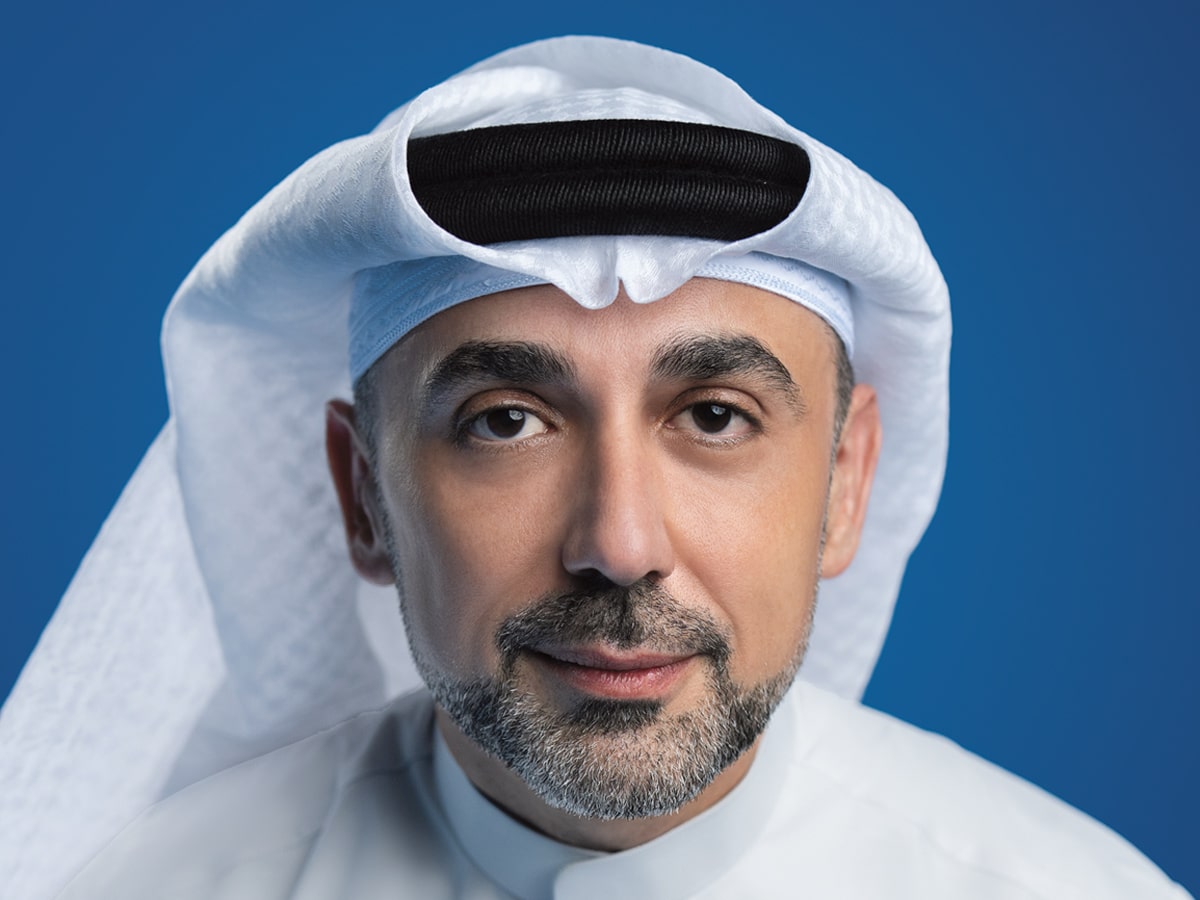

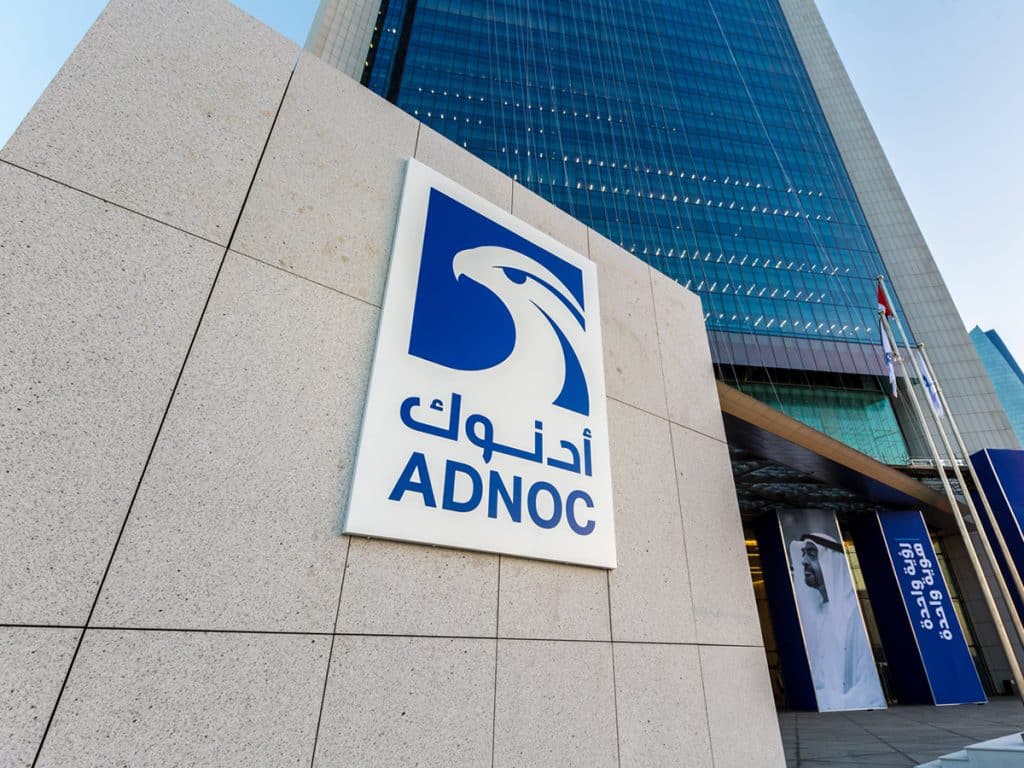
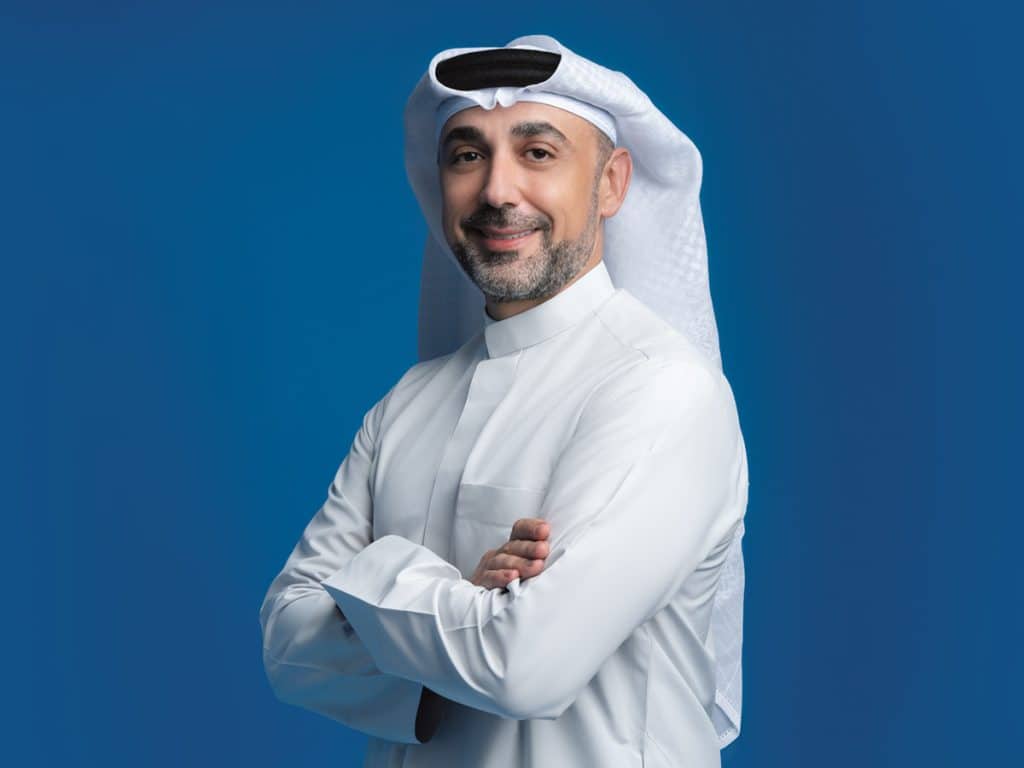
Marwan Nijmeh is the group chief legal officer at the Abu Dhabi National Oil Company (ADNOC), a role he has held for more than two years. As the head of ADNOC’s in-house legal team, he is responsible for shaping the legal strategy of one of the world’s largest energy companies.
Blending law, business, and leadership
Nijmeh is a member of ADNOC’s executive leadership team and serves on its investment committee. He sees his role not just as a legal advisor, but as a strategic business partner.
“I see my role as helping to sharpen decisions, not slow them,” he says. “The measure of success is when our legal strategy is indistinguishable from the business strategy, because they are one and the same.”
This is reflected in his work, where no two days are the same. One day he may be working on a multi-billion-dollar transaction, the next on governance reforms or compliance matters. “What is consistent is the blend of law, business, and leadership,” he adds.
Core principles for a high-performing team
In a group as complex as ADNOC, coordination and collaboration are vital. Nijmeh attributes his team’s high performance to three core leadership principles: collaboration, accountability, and empowerment.
“Collaboration ensures our lawyers feel part of a collective effort, not isolated in silos,” he explains. “Accountability means setting high expectations and holding ourselves to them, and empowerment is about giving people the trust and freedom to innovate and bring their best to the table.”
Nijmeh’s team of more than 200 legal, compliance, and governance professionals works in lockstep with business units and senior leadership. This allows them to “spot risks, shape structures, and unlock opportunities” in a way that provides timely, relevant advice that aligns with the group’s objectives.
The evolving role of general counsel
Nijmeh believes technology is central to the role of general counsel.
“A general counsel today is no longer just a gatekeeper but a strategic enabler,” he says. “The expectation now is that we not only solve legal problems but anticipate them, using data and technology to stay ahead.”
ADNOC is embedding artificial intelligence (AI) into legal processes, from automating routine tasks to horizon scanning for regulatory changes. “This frees our lawyers to focus on what matters most: strategic advice, risk management, and contributing directly to the company’s growth and resilience,” he says.
Similarly, the global energy transition presents a new set of legal and regulatory complexities. This is largely due to tighter environmental regulations, evolving carbon markets, and increasing scrutiny from regulators, investors, and partners. “Legally, that means ensuring our projects, from green financing to carbon capture, are structured for long-term resilience,” explains Nijmeh. “We are using AI to monitor regulatory developments globally, enabling us to anticipate change rather than react to it.”

A career shaped by experience
Nijmeh’s career has taken him from private practice to prominent in-house roles in the UAE. Before joining ADNOC, he spent 15 years at Mubadala in a senior legal leadership role, advising on high-stakes global investments and cross-sector deals.
He began his career at global law firms Allen & Overy (now A&O Shearman) and Simmons & Simmons, specialising in complex, cross-border matters. “My years in private practice gave me the technical rigour, discipline, and transactional expertise that every lawyer needs,” he reflects. “Moving in-house built on that foundation. At Mubadala, I developed a strategic perspective on how legal advice drives investment decisions, risk management, and long-term value.”
“Each stage of my career has added a new layer of growth, and together they have shaped me into both a lawyer and a strategic partner,” he says.
It is why he encourages lawyers considering an in-house move to first build a solid foundation. “Private practice offers an excellent environment to develop technical skills and transactional experience, and those skills serve you well when you step into an in-house role,” he explains. “The shift is not just about advising on the law but about applying judgement and taking responsibility for decisions that shape the direction of the business.”

When asked about the right time to transition from private practice to an in-house role, he says: “Timing is less about a fixed stage of your career and more about being ready to embrace that broader responsibility.”
Having worked on both sides, Nijmeh has clear expectations from external counsel. He looks for pragmatic, commercial partners invested in the group’s success.
“We do not want 50-page memos; we want solutions we can execute,” he asserts.
“They should understand our strategy, anticipate our needs, and help us deliver outcomes,” he continues. “That means bringing global expertise and also tailoring it to our local and regional context.”
For Nijmeh, his blend of experience, from the technical rigour of private practice to the strategic demands of an in-house role, has been crucial to his success. “The firms that succeed with us are those that think beyond the legal question to the business impact,” he says.

Career highlights and challenges
When asked about a career highlight, Nijmeh points to leading ADNOC’s legal function through a period of major transformation, including supporting the establishment of XRG, the group’s international investment arm. He describes this as “a defining milestone”, reflecting both the scale of the group’s ambition and sophistication of its legal team.
“We are accelerating global growth through XRG while continuing to deliver on our domestic growth commitments,” he says. “Our legal strategy is evolving to support these goals by being proactive, not reactive.”
He also reflects on some of the most challenging situations he has faced, where “commercial urgency collides with legal complexity”. In those moments, “the lesson is to stay calm, trust your team, and focus on clarity of communication,” he says. “I have learned that decisiveness under pressure is what builds trust, both within your team and with the business leaders you support.”
Training the next generation
One of the most rewarding aspects of his career has been the launch of the ADNOC Legal Development Institute, a mandate entrusted to him by ADNOC’s leadership. The programme, which began in January 2024, is designed to develop the next generation of Emirati lawyers, as well as governance and compliance professionals.
The programme provides a path to qualification as a solicitor in England and Wales. It begins with a year-long curriculum that combines legal knowledge with practical skills, and non-legal capabilities such as negotiation and business advisory. From there, candidates prepare for the Solicitors Qualifying Examination (SQE) and gain two years of qualifying work experience (QWE) with top law firms and ADNOC.

“More than a year since its launch, I have been pleased to see programme participants step up with confidence, technical ability, and commercial insight, as well as a willingness to learn and improve every day,” reflects Nijmeh. “For me, this is about legacy, equipping future leaders with the expertise, resilience, and perspective they need to serve both ADNOC and the nation for decades to come.”
When it comes to advice for building a successful legal career, he says: “Technical excellence is a given—that is the entry ticket”.
“What differentiates a successful lawyer is judgement, adaptability, and commercial awareness,” he continues. “It is about being decisive, willing to learn continuously, and able to see the bigger picture.”
In a fast-moving, global industry like energy, he adds that “curiosity” and “resilience” are essential for those who want to thrive in this sector.
This article was first published in the September 2025 print issue of Law Middle East.