
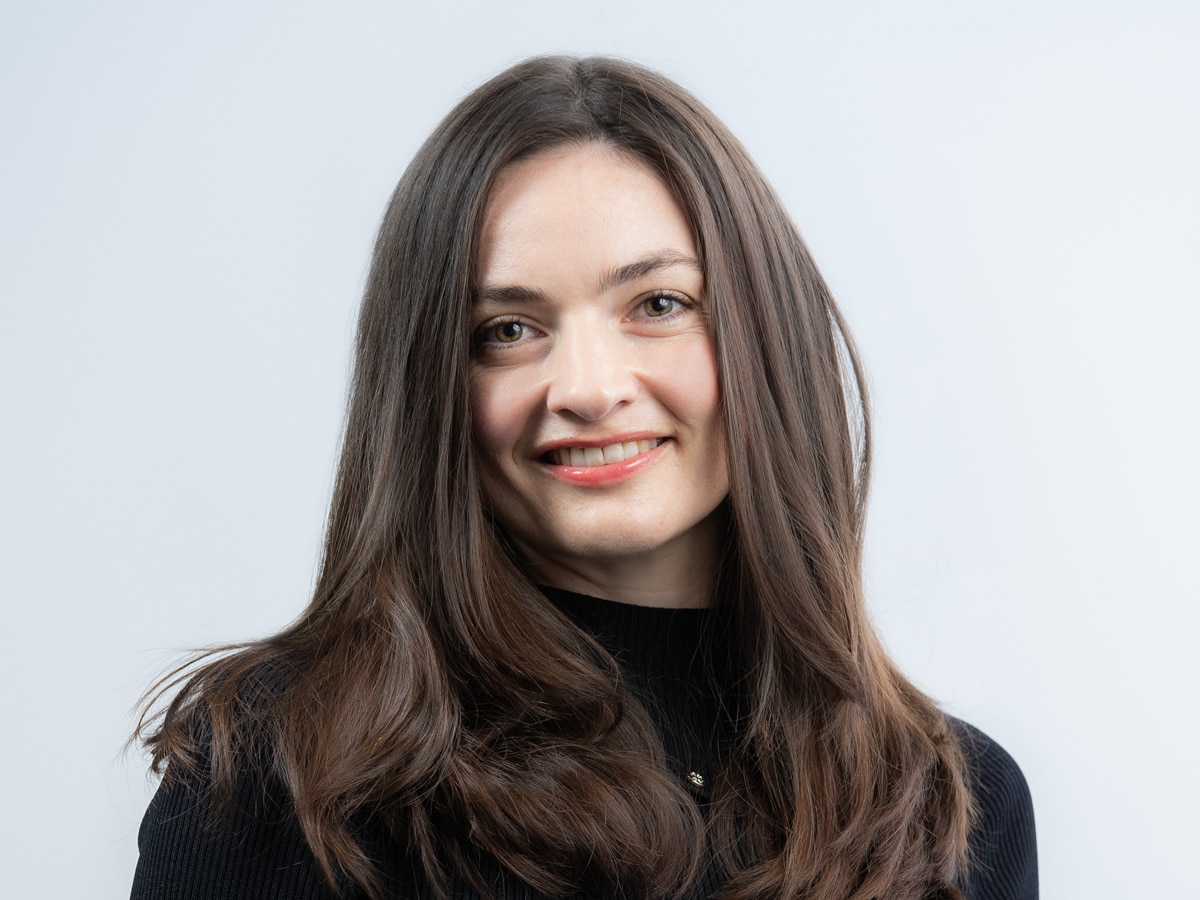
The Middle East is seeing a growing number of female lawyers making significant inroads into the traditionally male-dominated field of construction law. In the first of a two-part series profiling female lawyers paving the way in construction law, Sarah Hudson, counsel and head of Middle East construction at Linklaters, Abu Dhabi, shares her career story.
I moved from London to Abu Dhabi in early 2019, and it was the best decision I have made for my career. When I decided to move to the region, I wanted a change from the London grind and the opportunity to work in the place where the most innovative energy and infrastructure projects were being developed. I expected to fill my CV with market-leading deals and avoid 10+ hours of commuting every week, but I did not expect to end up leading the Middle East construction practice at a top-tier international law firm.
I often ask myself, how did this happen?
The world of construction is changing, but it remains a male-dominated industry. As a female construction lawyer, I have often been the only woman at the negotiation table. Over the years, and on several occasions, my more junior, male colleagues have been mistaken as my superiors, and I have been asked to prepare the tea or print the agendas. While these experiences provide amusing stories over a coffee, they can also make you feel like you do not belong, or like you need to work harder or sacrifice more to prove that you do belong. These feelings can be exacerbated by the absence of female leaders within the organisation, and lead to unsustainable or unhealthy working habits. These habits rarely help anyone to succeed in the workplace.
One of the great things about working in the Middle East is that you get to work with people from all over the world. It is rare to be in a meeting, or a team, with people who are all from the same country as you. Over time, you start to realise that difference and diversity is part of the workplace culture here in the Middle East. It becomes normal, so those meetings where you are the only woman in the room are soon unremarkable. I believe that the backdrop of difference and diversity, coupled with a culture of respect, make it more likely that women will succeed in their careers here in the Middle East.
A supportive workplace culture also plays a key role in the career success of both men and women. The shared experience of moving to a new country can foster a workplace culture of care and community. As cities like Abu Dhabi, Dubai, Doha, and Muscat are consistently identified as some of the safest cities in the world, it is easy to see why the Middle East is a top choice. I recall showing up at the Abu Dhabi office of my previous firm and, within an hour, I had weekend plans with other colleagues and had been added to multiple WhatsApp groups full of new people in the same situation as me. Although I have now moved on from that firm, many of my previous colleagues remain my close friends—another typical feature of working in the Middle East.
Workplace kindness creates trust, and it can make people more comfortable being their authentic selves at work. When we are our authentic selves, and feel supported by our colleagues, we are more creative and less afraid of failure. We are more willing to volunteer for opportunities which challenge and stretch us. We are more willing to speak our minds, share our ideas or ask for help. While I believe that all people achieve more in this culture, I find that it is particularly important for women. In my experience, women often feel less confident in their abilities, and this can affect the opportunities they pursue and the way they contribute to the workplace.
I know first-hand that a diverse and supportive workplace can combat this and help women to achieve their potential. When I joined Linklaters in January 2024, I was embarking upon my first leadership role. I felt completely out of my depth and spent hours over-analysing presentations I gave or conversations I had with more senior colleagues. During the first month, my internal dialogue played ‘I am not good enough’ on repeat. But after a while, this unhelpful tune was drowned out by the encouragement and support of my colleagues. People went out of their way to compliment a presentation or piece of work, or to send an email to the head of my team praising my performance on a deal or a pitch. Multiple female partners and counsel reached out to offer their mentorship and guidance. This recognition and support gave me the confidence to suggest new initiatives, back myself and to agree to new opportunities. The more I pushed myself, the more success I experienced. The more success I experienced, the more confidence I gained. One year on, I am running a successful and growing practice.
The workplace can be challenging for women, but using our experiences to implement change can turn a negative into a positive. I would encourage women to contribute to their organisation’s diversity and inclusion efforts and to work together, and with their male colleagues, to foster a culture of kindness, courage and support. Good vibes are infectious in the workplace, they accelerate progress and drive us to succeed. I find this to be particularly true in the Middle East, where new opportunities are always around the corner and diversity is all around us.
This article was first published in the March 2025 print issue of Law Middle East.
Read part two of the series, featuring Reed Smith construction disputes partner, Michelle Nelson.