
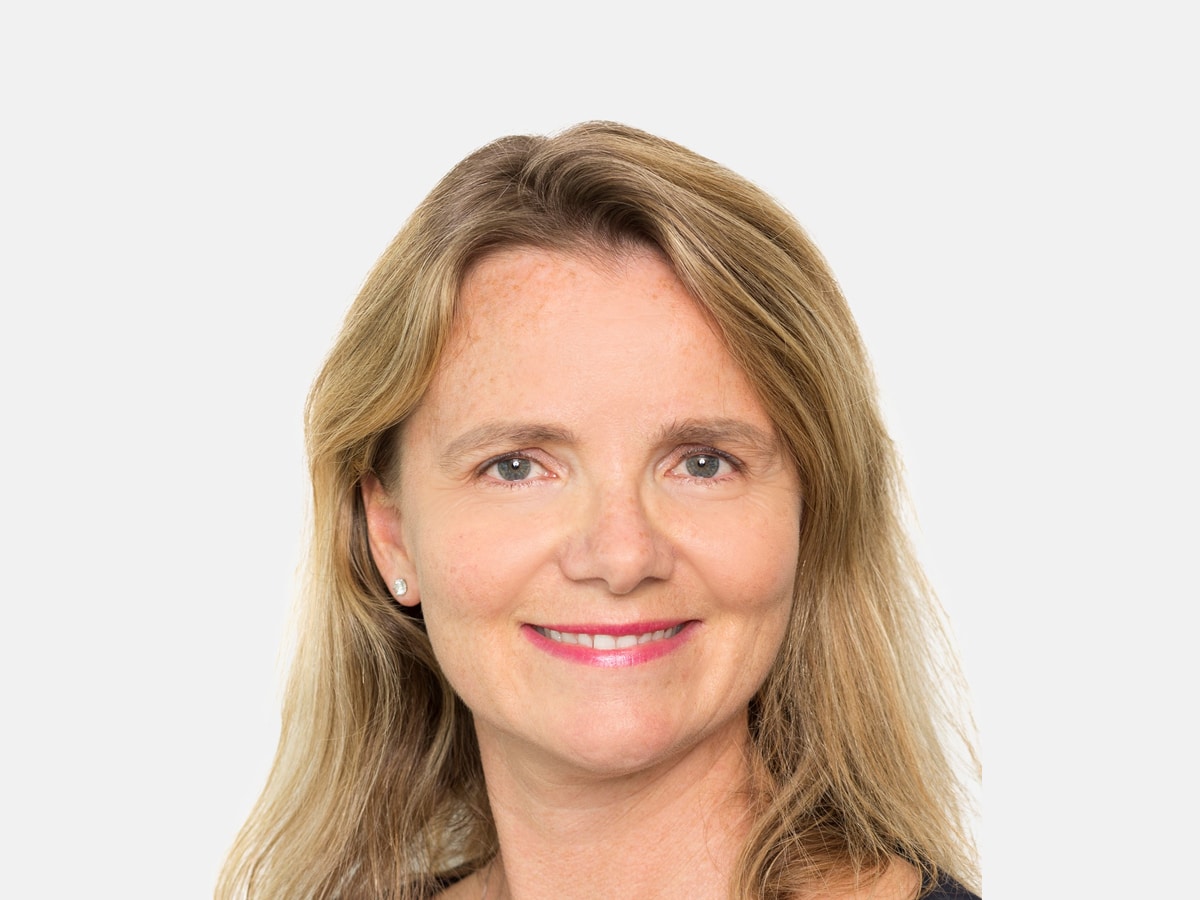
The Middle East is seeing a growing number of female lawyers making significant inroads into the traditionally male-dominated field of construction law. In the second instalment of a two-part series profiling female lawyers paving the way in construction law, Michelle Nelson, partner and regional lead for construction disputes at Reed Smith, UAE shares her career story.
I obtained a law degree and diploma in legal practice from Bristol University in 1996 in the UK and then started a training contract to become a solicitor with Masons (now Pinsent Masons) in the London office. Pinsent Masons (then Masons) was a law firm specialising in construction law and I spent 12 months working on some really interesting cases as a trainee and found myself embroiled in disputes about unexpected mine shafts, the construction of a new house complete with triple-height book shelves, and the construction of a new airport. The nature of the disputes and the technical issues we had to get to grips with fascinated me and it quickly became very clear to me that I wanted to become a construction disputes lawyer. I qualified into the construction disputes team in Masons’ London office and began working on a range of large high-profile international construction, energy and infrastructure arbitrations.
Fast forward 27 years and I have been practising as a specialist construction disputes lawyer for over 25 years, 20 of which have been in the Middle East. In 2005, I relocated to Dubai as part of the founding team for Pinsent Masons’ Dubai office. The move was prompted by an opportunity to build a team from scratch and develop a business in what was already a dynamic and fast-moving construction market in the Middle East. The opportunities were huge—who would not want to work as a construction lawyer in the busiest construction market in the world?!
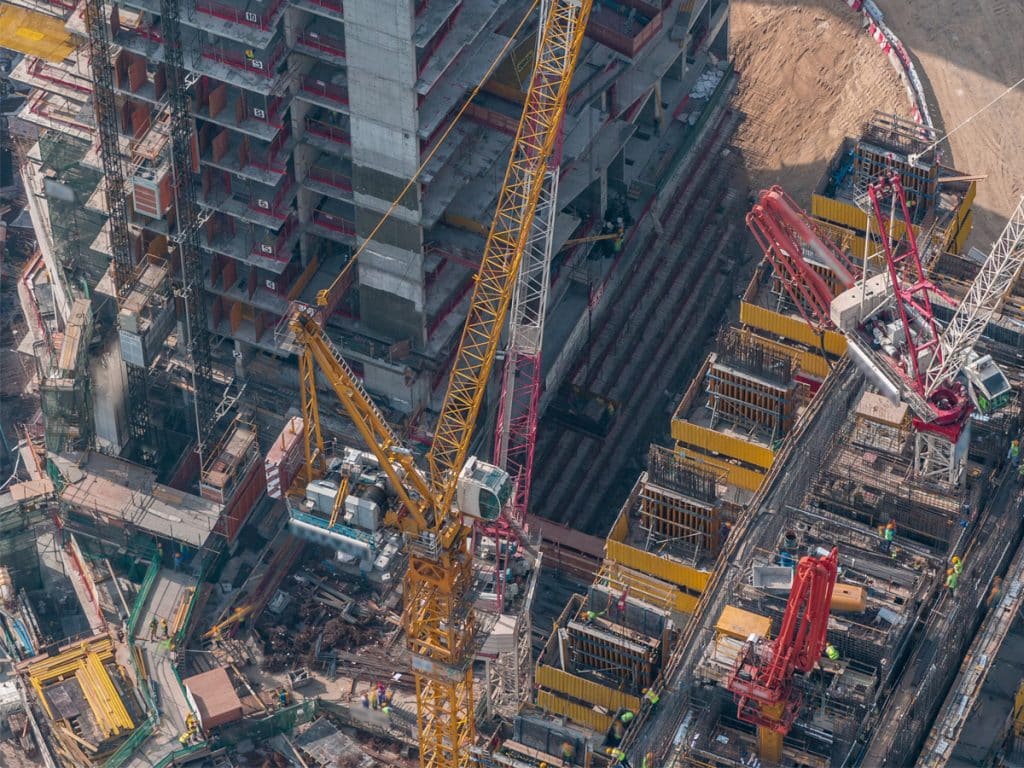
Over the last 20 years, I have been so lucky to have been involved in some of the most interesting and complex projects in the world and meet some amazing and superbly talented construction specialists. We went about building up a diverse team of talented lawyers that quickly became well-known for construction disputes in the region. In 2018, I moved across to Reed Smith to head up and grow the construction disputes practice. Again, I was key to building a team of talented lawyers, consisting of mostly women.
As one of the very few senior female construction lawyers in the region, I am acutely aware of the challenges faced by women in the construction industry and the need for positive dialogue and change. When I qualified as a lawyer in the late 1990s there were very few female construction lawyers which is perhaps not surprising given the general lack of uptake in the construction industry by women. As such, finding role models and like-minded women to learn from was a challenge. I therefore took the view that I should, whilst forging ahead with my own career, do all that I could to become a role model for others and to foster an environment where women support each other and recognise their everyday challenges.
I have lived by this ethos throughout my career. Most of our team members at Reed Smith are women, and I take great pride in mentoring and nurturing their development. I seek to continue to bring awareness of gender imbalance in the industry and to facilitate meaningful discussions around change.
As a working mum to two teenage daughters, I am also acutely aware of the need (and indeed responsibility) to provide support to junior female associates coming through the ranks. My ethos has always been that we should never apologise for having a life (and responsibilities outside of the workplace) nor to feel guilty for sometimes having to prioritise other aspects of your life. My clients have always known that I will (and do) make myself available when needed and the same goes for my time. However, that does not always need to be in person, nor 24/7.
I also believe that international law firms should not underestimate or overlook the unique challenges that female lawyers may have operating in the Middle East. In most cases, we are living away from our home country and away from family and a local support network. This causes challenges with childcare and similar issues which are not always the same for colleagues in the UK, US and elsewhere. In my mind, and experience, having regard for the fluidity of challenges and being able to provide different support at different times can make a huge difference.
Regardless of the challenges, I am so happy that I chose the life of a female construction disputes lawyer and could not imagine a better job to have or a place to do it.
This article was first published in the March 2025 print issue of Law Middle East.
Read part one of the series, featuring Linklaters’ Middle East construction head, Sarah Hudson.