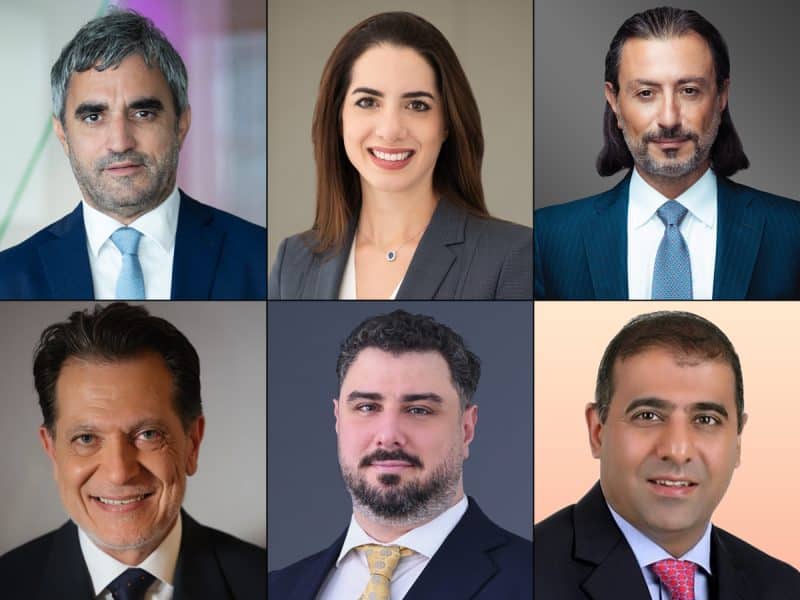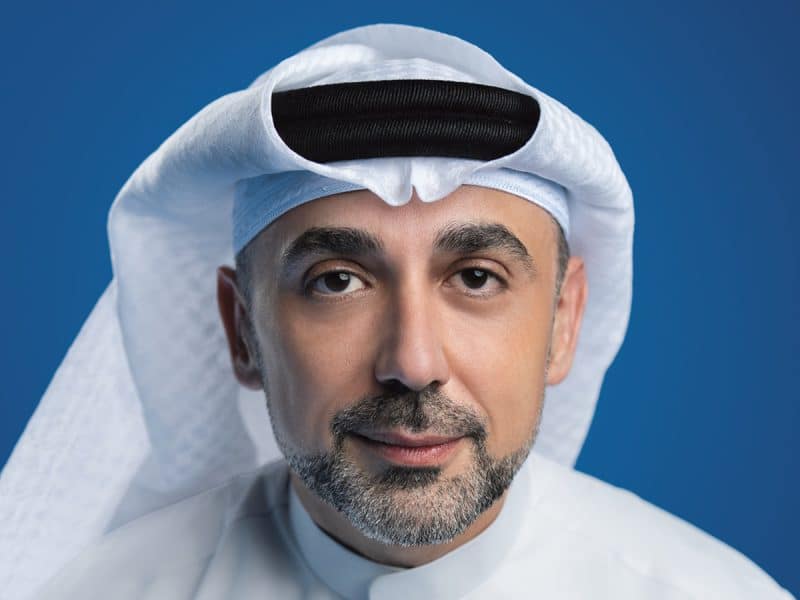


Riyadh International Disputes Week (RIDW) 2025 took place last week from February 23 until February 27, bringing together global leaders in dispute resolution. On February 25, Khaled Moyeed, a dispute resolution partner at London-based international law firm Gunnercooke, co-chaired a panel session alongside Sam Karim KC of Gatehouse Chambers.
The session was titled, ‘Institutional mediation under the spotlight by international arbitration experts’, and gathered distinguished experts from major international mediation centres, including:
- Christian Alberti, chief of ADR and general counsel at the Saudi Centre for Commercial Arbitration (SCCA)
- Alexander Fessas, secretary general of the International Chamber of Commerce (ICC)
- Benatt Lee, registrar at the Singapore International Mediation Centre (SIMC)
- Bridget Mary McCormack, president and CEO of the American Arbitration Association (AAA)
- James South, CEO of the Centre for Effective Dispute Resolution (CEDR)
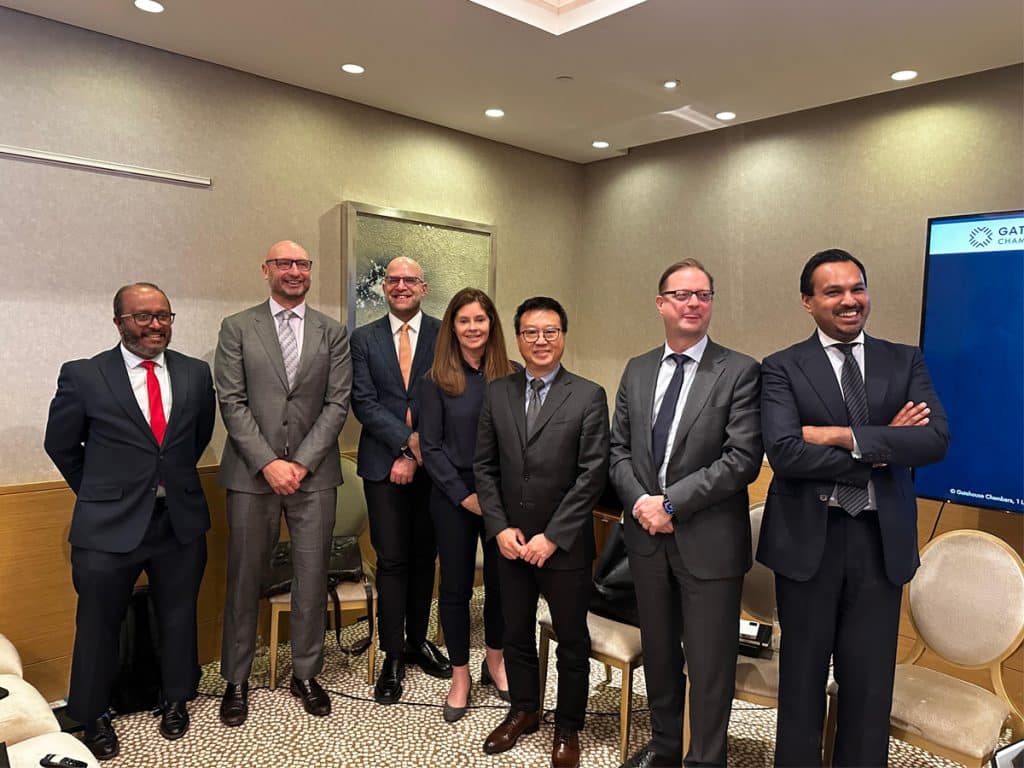
The panellists explored the evolving role of institutional mediation in a rapidly changing global disputes landscape. They examined pressing questions, challenged common misconceptions, and engaged in a candid discussion on whether mediation can become a more dominant form of dispute resolution.
The role of mediation
One of the key themes of the discussion was the distinction between mediation and more traditional forms of dispute resolution like arbitration and litigation. The panel addressed the misconception that mediation lacks weight because mediators cannot impose legally binding decisions like judges or arbitrators. They emphasised that the mediator’s strength lies in facilitating dialogue, helping parties understand each other’s interests, and guiding them toward voluntary, mutually beneficial solutions.
The conversation also touched on the increasing trend towards court-mandated mediation, particularly in the UK following the 2023 Churchill v Merthyr Tydfil County Borough Council decision. The Court of Appeal ruled that courts can order parties to engage in mediation, marking a significant shift in the judicial approach to mediation.
A cost-effective mechanism?
Cost-effectiveness is often cited as one of mediation’s primary advantages, but the panel explored whether this assumption always holds true. They considered whether the upfront cost savings of mediation might be undermined if parties ultimately fail to reach a resolution and proceed to arbitration or litigation anyway. The discussion also covered the prospect of adverse cost consequences if a party refuses to mediate or behaves unreasonably during the process—a growing consideration as courts worldwide begin to take a more interventionist approach to promoting settlement.
Cross-border disputes and enforcement challenges
The panel also explored the unique complexities of cross-border disputes, where arbitration has traditionally been the preferred method of resolution due to the enforceability of awards under the New York Convention. However, the emergence of the Singapore Convention on Mediation in 2019 is beginning to shift this dynamic. The Singapore Convention provides a framework for the international enforcement of mediated settlement agreements, though uptake has been relatively slow, with only 15 countries ratifying it so far.
Despite these limitations, the panellists expressed optimism that as awareness of the Singapore Convention grows and more jurisdictions come on board, mediation could become an increasingly viable option for resolving complex, commercial disputes.
Looking to the future
The session concluded with reflections on the future of institutional mediation. While it may not be suitable for every dispute, the panellists agreed that mediation has a vital role to play, especially as businesses and legal systems look for more efficient, less adversarial ways to resolve conflict. As mediation frameworks continue to evolve and international enforcement mechanisms strengthen, the process is likely to become an even more attractive option for parties seeking flexible, cost-effective, and collaborative outcomes.
By Khaled Moyeed, dispute resolution partner at Gunnercooke, London.