


The legal profession in the Middle East has made significant strides in fostering diversity and inclusion, particularly in advancing women’s roles. Today, female lawyers are not only advocating in courtrooms but also leading firms, shaping companies structures and governance, and driving change. However, while we celebrate this progress, we must also acknowledge that there is still much to be done to ensure that diversity is embedded at all levels of the profession.
A major challenge remains the representation of women in leadership. While more women are entering the legal field, they continue to be underrepresented in senior positions. Law firms, in-house legal teams, and regulatory bodies must move beyond passive inclusion and actively create pathways for women to advance into leadership. This means implementing structured mentorship programmes, sponsorship initiatives, and policies that address work-life balance—critical elements in enabling women to succeed at the highest levels.
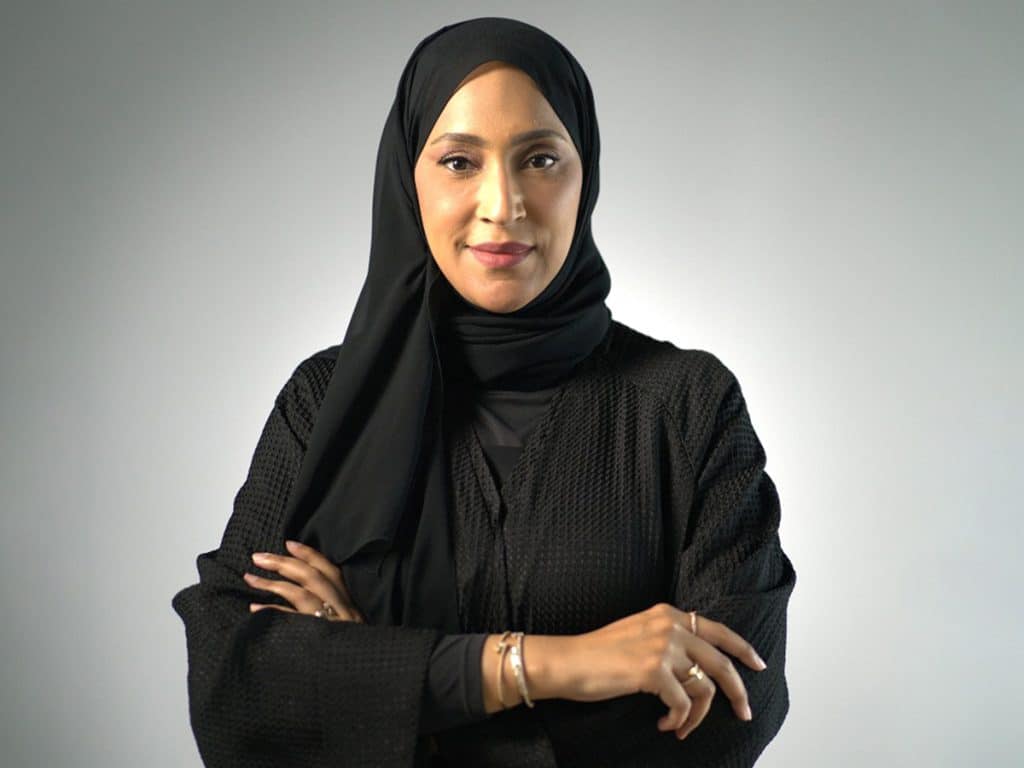
As someone who has had the privilege of breaking barriers, I have witnessed both progress and ongoing challenges. Recently, I was granted Rights of Audience (Part II) before the DIFC Courts, becoming one of a select group of Emirati women lawyers with this recognition. This milestone is not just personal—it signifies broader progress for women in advocacy roles. However, achievements like these must become the norm, not the exception.
Beyond representation, legal frameworks must also evolve to better support gender inclusivity. While some Middle Eastern jurisdictions have made progress in protecting women’s rights in the workplace, there is still a need for stronger policies that do not merely prevent discrimination but actively create opportunities for women to thrive.
Cultural perceptions must continue to shift. While acceptance of women in law is growing, traditional biases persist. Increasing the visibility of female legal professionals—through leadership roles, speaking engagements, and participation in high-profile cases—can help dismantle outdated stereotypes. I remain committed to fostering these discussions. Representation matters, and active participation is key to changing the narrative around women in law.
At a recent conference, I had the opportunity to contribute to a panel discussion on empowering women leaders in law. Alongside esteemed legal professionals, we explored practical strategies for women to take the next steps in their legal careers—going beyond diversity rhetoric and into tangible action. These conversations are essential in shaping a future where women do not just enter the legal profession—they lead it.
The future of women in the Middle Eastern legal profession depends on our collective commitment to action. By fostering mentorship, strengthening legal frameworks, and challenging cultural biases, we can ensure that diversity and inclusion are not just ideals but realities for the next generation of legal professionals.
This article was first published in the March 2025 print issue of Law Middle East.